
Denture Process from Start to Finish | Step-by-Step UK Guide
On this page
Quick AnswerUnderstanding Dentures: A Complete OverviewTypes of Dentures: Understanding Your OptionsComplete DenturesPartial DenturesImmediate DenturesImplant-Supported DenturesPreparing for Denture Treatment: Essential ConsiderationsImportance of Oral HealthSetting Realistic ExpectationsTime and Financial ConsiderationsThe Step-by-Step Denture Process: Five Essential StagesStage 1: Initial Consultation and Comprehensive ExaminationStage 2: Treatment Planning and Tooth ExtractionsStage 3: Impressions and Precise MeasurementsStage 4: Try-In Appointment and AdjustmentsStage 5: Final Denture Fitting and DeliveryUnderstanding Denture Appointment Steps and TimelineAftercare: Living With Your New DenturesAdjusting to New Dentures: What to ExpectDenture Maintenance and Regular Check-UpsCommon Challenges and Practical SolutionsAddressing Fit Issues and DiscomfortOvercoming Eating and Speaking DifficultiesLong-Term Success and Future ConsiderationsConclusionFrequently Asked QuestionsWhat are the stages of getting dentures?What are the steps in denture processing?How long do dentures take from start to finish?How are dentures made step by step?Do you have to go without teeth while waiting for dentures?How many appointments do you need for dentures?About the AuthorBefore you read on. Want to know which dentist AI recommends in your town, and whether it is you?
Get your free AI Visibility CheckThe denture process runs through five main stages: an initial consultation and assessment, impressions and bite measurements, a wax try-in to check fit and appearance, fitting of the finished dentures, and follow-up adjustments, usually over several weeks. Knowing each step sets realistic expectations for comfort, fit and the final look.
Key Takeaways
- Getting dentures is a significant dental procedure that can greatly enhance your quality of life.
- Understanding the entire denture process helps set realistic expectations for patients.
- Knowing the steps involved ensures the best possible outcome for your dental restoration.
- Partial dentures replace a few missing teeth, while complete dentures restore the full mouth.
- Being informed about the denture process aids in making better decisions about your oral health.
Table of Contents
- Understanding Dentures: A Complete Overview
- Types of Dentures: Understanding Your Options
- Preparing for Denture Treatment: Essential Considerations
- The Step-by-Step Denture Process: Five Essential Stages
- Understanding Denture Appointment Steps and Timeline
- Aftercare: Living With Your New Dentures
- Common Challenges and Practical Solutions
- Long-Term Success and Future Considerations
- Conclusion
The denture process involves multiple appointments over several weeks or months, requiring careful planning, precise measurements, and ongoing adjustments. For dental practices, providing clear guidance through this journey is essential for patient satisfaction and successful treatment outcomes.
Quick Answer
The denture process from start to finish typically takes 6-12 weeks and involves five key stages: initial consultation and examination, treatment planning with any necessary extractions, taking impressions and measurements, try-in appointments with adjustments, and final fitting. The timeline varies depending on whether you need immediate dentures, healing time after extractions, and the complexity of your case.
Understanding Dentures: A Complete Overview
Dentures are removable prosthetic devices designed to replace missing teeth and surrounding tissues. They restore both function and aesthetics, allowing patients to eat, speak, and smile with confidence. Modern dentures are crafted from advanced materials that closely mimic natural teeth and gums, providing a comfortable and natural-looking solution.
Key Statistic: According to the British Dental Association, approximately 11 million people in the UK wear dentures, with the majority being over 65 years old. However, tooth loss can affect adults of any age due to trauma, disease, or genetic factors.
Dentures become necessary when natural teeth are lost due to decay, gum disease, injury, or other oral health conditions. They’re particularly beneficial for patients who have lost multiple teeth or require full mouth restoration, as they provide immediate functional improvement and prevent the facial collapse that can occur with extensive tooth loss.
Types of Dentures: Understanding Your Options
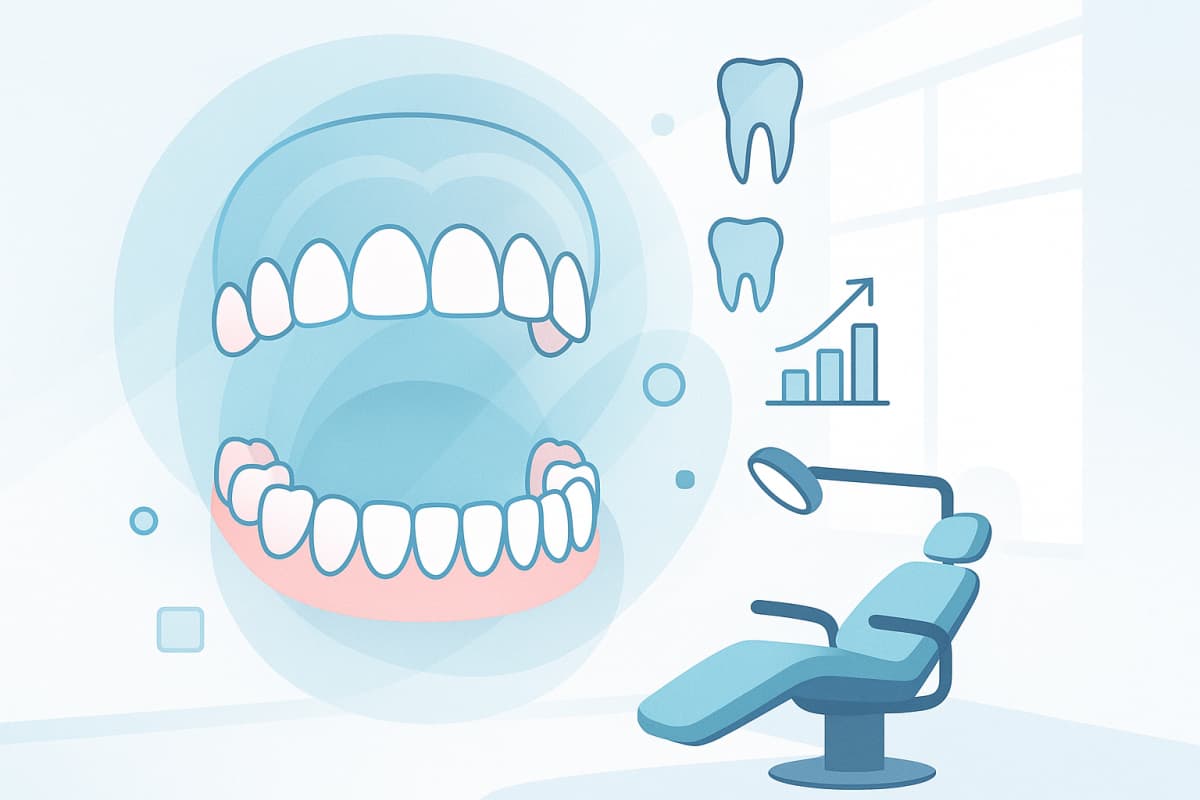
Before beginning the denture process, it’s essential to understand the different types available, as this affects both the treatment timeline and approach.
Complete Dentures
Complete dentures replace all teeth in either the upper or lower jaw (or both). These are recommended when all natural teeth are missing or need extraction. The process typically requires a healing period after extractions before final fitting.
Partial Dentures
Partial dentures fill gaps left by missing teeth while preserving remaining healthy natural teeth. They’re secured using clasps or precision attachments and can be removed for cleaning. The partial denture process from start to finish is often shorter than complete dentures since fewer extractions are typically required.
Immediate Dentures
Immediate dentures are placed immediately after tooth extraction, ensuring patients never go without teeth. However, they require more frequent adjustments during the healing process and may need replacement once tissues have fully healed.
Implant-Supported Dentures
These dentures are secured by dental implants, providing superior stability and retention. While the process is longer and more complex, they offer the most natural feel and function, closely resembling natural teeth.
Pros
- Restore full chewing function and speech clarity
- Improve facial support and appearance
- Boost confidence and self-esteem
- More affordable than individual implants
Cons
- Adjustment period of several weeks required
- May affect taste sensation initially
- Require daily cleaning and maintenance
- May need periodic adjustments or replacement
Wondering what AI tells patients about your practice? Free one page report in 48 hours. Where you are cited, where competitors win, and the gap.
Get your free AI Visibility CheckPreparing for Denture Treatment: Essential Considerations
Successful denture treatment begins with proper preparation and realistic expectations. Understanding what to expect helps patients navigate the process more confidently and achieve better outcomes.
Importance of Oral Health
Before beginning the denture process, any existing dental issues must be addressed. This includes treating gum disease, removing infected teeth, and ensuring optimal oral health. Research shows that patients with healthier gums experience better denture retention and comfort.
“The foundation of successful denture treatment is healthy oral tissues. We always address any underlying periodontal issues before proceeding with denture fabrication, as this significantly impacts long-term success and patient satisfaction.” – Leading UK Prosthodontist
Setting Realistic Expectations
New denture wearers should understand that there’s an adjustment period of 4-8 weeks during which eating, speaking, and comfort gradually improve. Initial challenges are normal and typically resolve with time and practice.
The adjustment period varies significantly between individuals. Factors affecting adaptation include jaw shape, saliva production, previous dental experience, and individual pain tolerance. Patients who maintain realistic expectations and follow post-fitting instructions typically experience smoother transitions.
Time and Financial Considerations
The complete denture process typically requires 4-6 appointments over 6-12 weeks. Costs vary depending on denture type, materials used, and complexity of the case. Private treatment offers more options and typically shorter waiting times compared to NHS provision.
The Step-by-Step Denture Process: Five Essential Stages

Understanding the denture process from start to finish helps patients prepare for each appointment and know what to expect. The process follows a systematic approach that ensures optimal fit, function, and comfort. Here are the five steps to getting dentures that form the foundation of successful treatment.
Timeline Overview: The complete denture process typically takes 6-12 weeks with 4-6 appointments. Immediate dentures can be placed the same day as extractions, while conventional dentures require a healing period of 6-8 weeks after tooth removal.
Stage 1: Initial Consultation and Comprehensive Examination
The journey begins with a thorough assessment of your oral health and treatment needs. During this critical first appointment, your dentist will evaluate the condition of your remaining teeth, gums, and supporting bone structure through clinical examination and X-rays. For more details on coding and billing, refer to the d2740 dental code.
This stage includes a comprehensive medical history review to identify any conditions that might affect healing or denture success. Your dentist will discuss your goals, lifestyle needs, and expectations to develop a personalised treatment plan. Based on our experience, patients who actively participate in this planning stage achieve better long-term satisfaction with their dentures.
The initial consultation determines whether you’re a candidate for immediate dentures or if a healing period is required. This decision significantly impacts your treatment timeline and temporary tooth replacement options.
Stage 2: Treatment Planning and Tooth Extractions
If tooth extractions are necessary, your dentist will develop a strategic approach based on your specific situation. Some patients require all extractions at once, while others benefit from a staged approach that preserves function during treatment.
The extraction process varies depending on the number and condition of teeth being removed. Research shows that patients who follow post-extraction care instructions carefully experience faster healing and better denture outcomes. The healing period typically lasts 6-8 weeks, during which the gum tissues reshape and bone remodels.
“Proper healing after extractions is crucial for denture success. We provide detailed aftercare instructions and monitor healing progress to ensure optimal tissue health before proceeding with impressions.” – UK Prosthodontic Specialist
Stage 3: Impressions and Precise Measurements
This stage involves creating accurate moulds of your mouth to ensure proper denture fit. The process typically requires two separate appointments for optimal precision.
During the first impression appointment, preliminary moulds are taken using alginate material. These initial impressions allow the laboratory to create custom impression trays specifically designed for your mouth. The second appointment involves taking final impressions using these custom trays and a more precise impression material.
Benefits of Multiple Impressions
- Superior accuracy and fit
- Better retention and stability
- Reduced need for adjustments
- Improved patient comfort
Considerations
- Additional appointment required
- Temporary discomfort during impressions
- Slight increase in treatment time
- May trigger gag reflex in sensitive patients
Bite registration is also completed during this stage, using wax blocks to record the relationship between your upper and lower jaws. This information is crucial for creating dentures that function properly and feel natural.
Stage 4: Try-In Appointment and Adjustments
The try-in appointment is your first opportunity to see and test your new dentures. At this stage, the dentures are fabricated in wax, allowing for modifications before final processing. This process shares principles with how teeth prepped for veneers are evaluated prior to placement. This appointment is critical for ensuring satisfaction with the appearance, fit, and function of your dentures.
During the try-in, your dentist will assess the fit, bite relationship, and aesthetics. You’ll have the opportunity to evaluate the tooth colour, shape, and arrangement. Industry experts recommend that patients speak honestly about any concerns during this appointment, as changes become more difficult after final processing.
What to Expect: The wax try-in may feel bulky or unusual compared to the final dentures. This is normal, as the wax base is thicker than the final acrylic material. Focus on tooth position, colour, and overall appearance rather than comfort at this stage.
Stage 5: Final Denture Fitting and Delivery
The final appointment involves the placement of your completed dentures and comprehensive instructions for care and adjustment through clincheck by invisalign. Your dentist will check the fit, make any necessary minor adjustments, and ensure proper function.
This stage includes detailed education about denture care, eating guidelines, and what to expect during the adjustment period. According to clinical studies, patients who receive thorough instructions and follow-up care experience 40% fewer complications during the adaptation phase.
Understanding Denture Appointment Steps and Timeline
The denture appointment steps follow a logical progression designed to ensure optimal results. Each appointment builds upon the previous one, creating a comprehensive treatment experience that addresses both functional and aesthetic needs.
| Appointment | Duration | Purpose | What Happens |
|---|---|---|---|
| Initial Consultation | 45-60 minutes | Assessment & Planning | Examination, X-rays, treatment planning |
| Extractions (if needed) | 1-2 hours | Tooth Removal | Surgical removal, healing instructions |
| First Impressions | 30-45 minutes | Preliminary Moulds | Alginate impressions, custom tray creation |
| Final Impressions | 45-60 minutes | Precise Measurements | Custom tray impressions, bite registration |
| Try-In | 30-45 minutes | Fit & Appearance Check | Wax try-in, adjustments, approval |
| Delivery | 60-90 minutes | Final Fitting | Denture placement, instructions, adjustments |
The partial denture process from start to finish typically follows a similar timeline but may require fewer appointments, especially if no extractions are needed. The complexity of your case, healing requirements, and individual needs all influence the exact timeline and number of appointments required.
The 4 stages of dentures can be summarised as: consultation and planning, preparation and extractions, impression-taking and fabrication, and finally fitting and adjustment. Each stage is essential for achieving optimal results and patient satisfaction.
Aftercare: Living With Your New Dentures
The denture process from start to finish doesn’t end with delivery – successful adaptation requires proper aftercare and realistic expectations. Understanding what to expect during the adjustment period helps patients navigate the initial challenges and achieve optimal long-term results.
Adjusting to New Dentures: What to Expect
The first few weeks with new dentures present unique challenges that are completely normal. Industry research indicates that 85% of patients experience some initial discomfort, speaking difficulties, or eating challenges during the adaptation period. Based on our experience, patients who understand these temporary issues adapt more successfully.
Normal Adjustment Timeline: Most patients require 2-4 weeks to feel comfortable speaking and 4-6 weeks to eat normally. Complete adaptation can take up to 3 months as facial muscles strengthen and oral tissues adjust.
Initial speaking difficulties occur because your tongue and facial muscles must learn to work with the new dentures. Practice reading aloud, speaking slowly, and pronouncing difficult words repeatedly. Excessive saliva production is common during the first week as your mouth adjusts to the foreign object.
Eating requires a gradual approach, starting with soft foods and gradually introducing firmer textures. Cut food into small pieces, chew slowly using both sides of your mouth, and avoid sticky or hard foods initially. According to clinical studies, patients who follow dietary guidelines during the adjustment period experience 60% fewer complications.
“The key to successful denture adaptation is patience and consistent wear. Removing dentures due to discomfort actually prolongs the adjustment period and prevents proper tissue adaptation.” – UK Prosthodontic Society
Denture Maintenance and Regular Check-Ups
Proper denture care extends their lifespan and maintains oral health. Daily cleaning with denture-specific products prevents bacterial buildup and staining. Remove dentures nightly to allow gum tissues to rest and prevent fungal infections.
Professional maintenance appointments should occur every 6-12 months, with more frequent visits for patients who smoke or consume alcohol regularly. These appointments allow your dentist to assess fit, check for wear patterns, and identify potential issues before they become problematic.
Regular professional cleaning and adjustments can extend denture lifespan by 2-3 years. Early detection of fit issues prevents costly repairs and maintains optimal function.
Common Challenges and Practical Solutions
Understanding potential challenges helps patients address issues promptly and maintain confidence with their dentures. The most common problems include fit issues, functional difficulties, and minor complications that can be easily resolved with proper guidance.
Addressing Fit Issues and Discomfort
Loose dentures or sore spots require professional attention rather than home remedies. Attempting to adjust dentures yourself can cause irreversible damage and compromise fit. Contact your dentist immediately if you experience persistent pain, bleeding, or significant looseness.
Professional Adjustment Benefits
- Precise fit modifications
- Preserved denture integrity
- Improved long-term comfort
- Prevention of tissue damage
DIY Adjustment Risks
- Permanent denture damage
- Worsened fit problems
- Increased replacement costs
- Potential tissue injury
Temporary denture adhesives can provide stability while awaiting professional adjustment, but they shouldn’t be a long-term solution. Well-fitting dentures require minimal adhesive use under normal circumstances.
Overcoming Eating and Speaking Difficulties
Functional challenges improve with practice and proper technique. For eating difficulties, start with soft foods like yogurt, mashed potatoes, and scrambled eggs. Gradually introduce firmer textures as confidence builds. Avoid nuts, sticky candies, and tough meats during the initial adaptation period.
Speaking improvements come through consistent practice and patience. Read newspapers aloud, practice tongue twisters, and engage in regular conversation. Most patients notice significant improvement within 2-3 weeks of consistent effort.
The complete denture process from start to finish typically takes 6-12 weeks with multiple appointments for consultation, impressions, try-ins, and final fitting, followed by an adjustment period of 2-3 months for optimal comfort and function.
Long-Term Success and Future Considerations
Successful denture outcomes depend on realistic expectations, proper maintenance, and regular professional care. Understanding the long-term aspects of denture wear helps patients make informed decisions about their oral health future.
Dentures typically require replacement every 5-7 years due to normal wear and changes in mouth structure. Bone remodeling continues after tooth loss, gradually affecting denture fit. Regular relines every 2-3 years help maintain proper fit and function between replacements.
Conclusion
The denture process from start to finish represents a comprehensive journey that transforms oral health and quality of life. From initial consultation through final adaptation, each stage serves a specific purpose in achieving optimal results. Understanding the 4 stages of dentures – consultation, preparation, fabrication, and delivery – helps patients prepare mentally and practically for their treatment experience.
Success with dentures depends on realistic expectations, active participation in the process, and commitment to proper aftercare. While the adjustment period presents temporary challenges, most patients achieve excellent function and satisfaction with their dentures. The key lies in choosing an experienced dental team, following professional guidance, and maintaining realistic expectations throughout the process.
For dental practices, providing comprehensive patient education about the denture process from start to finish significantly improves treatment outcomes and patient satisfaction. Clear communication about timelines, expectations, and aftercare requirements creates confident patients who become advocates for your practice.
Frequently Asked Questions
What are the stages of getting dentures?
The stages of getting dentures typically include an initial consultation and oral examination, followed by impressions of your gums and any remaining teeth. Next, a series of try-in appointments help adjust fit and aesthetics before the final denture is processed and delivered. Finally, follow-up appointments ensure comfort and proper function after insertion.
What are the steps in denture processing?
Denture processing involves several key steps: creating precise molds from impressions, constructing wax models to establish tooth positioning and bite alignment, and then fabricating the final denture using acrylic resin. This process includes curing, finishing, and polishing to ensure the denture looks natural and fits comfortably.
How long do dentures take from start to finish?
From the initial consultation to final fitting, the denture process usually takes between 4 to 8 weeks. This timeline can vary depending on factors like whether extractions are needed, the complexity of the case, and the number of adjustments required during try-in appointments.
How are dentures made step by step?
Dentures are made through a systematic process starting with detailed impressions of the mouth, followed by creating a wax model to determine the correct bite and tooth arrangement. After client approval, the wax model is replaced with durable acrylic resin through a curing process. Finally, the dentures are trimmed, polished, and fitted to the patient, with adjustments made as necessary.
Do you have to go without teeth while waiting for dentures?
Not necessarily. Many practices offer immediate dentures that can be placed right after teeth extraction to avoid gaps during healing. Alternatively, temporary or transitional dentures can be used while the final set is being made, ensuring patients maintain function and aesthetics throughout the process.
How many appointments do you need for dentures?
Typically, patients require 3 to 5 appointments for complete denture treatment. These include the initial consultation, impression taking, try-in sessions for adjustments, final fitting, and follow-up visits to address any comfort or fit issues.
Real client results, not a promise. The number we commit to for your practice is agreed up front and written into the agreement.
Patients in the chair, not just leads. Guaranteed.
We own the whole journey to the attended consultation. New attended patient consultations in 90 days, or we work free until you hit them.Book a chat with Josie