


Content marketing generates 67% more qualified leads than traditional advertising for dental practices, yet most UK dentists struggle to convert website visitors into high-value consultations. With patients increasingly searching for “Invisalign dentist Birmingham” and “dental implants Manchester” online, your practice’s visibility determines your revenue growth.
This comprehensive dental SEO checklist provides the exact framework that UK practices use to achieve 20% traffic growth within three months. From keyword research to conversion optimization, each step builds toward measurable outcomes—including £4.55 cost per lead that outperforms paid advertising by 450%. For a deeper dive into actionable strategies, explore these SEO tips for dentists.
As the UK’s leading dental SEO agency, Dominate Dental has perfected this systematic approach for practices specializing in Invisalign marketing and dental implant marketing. Follow this checklist to transform your online presence from invisible to indispensable. Book your free SEO audit to discover your practice’s untapped potential.

Why it matters: Targeting high-intent searches like “Invisalign dentist Birmingham” converts 35% better than broad terms, directly generating qualified consultations from patients ready to book treatments.
Quick Answer: Spend 15 minutes daily for one week building a 20-keyword master list: 10 location-based terms and 10 treatment-specific phrases using Google Keyword Planner and Ahrefs free tier.
Step-by-step process: Start with location-based keywords like “dental implants Manchester city centre” and treatment-specific terms like “composite bonding marketing London.” Focus on long-tail variations such as “emergency dental implants London weekend”—these typically have under 50 monthly searches but convert exceptionally well due to specific intent.
Create keyword clusters around pillar topics. Your main “dental implant marketing” page links to cluster pages comparing “Invisalign cost London vs. braces” and “same-day dental implants Manchester.” This structure builds topical authority while capturing patients at different decision stages.
Essential tools: Google Keyword Planner (free baseline data), Ahrefs (competitor analysis), SEMrush (search volume trends). Target keywords with low competition scores but high commercial intent—patients searching these terms are closer to booking consultations.
Why technical SEO matters: Core Web Vitals like Largest Contentful Paint under 2.5 seconds directly impact rankings, while 60% of dental searches occur on mobile devices. Site speed affects both search visibility and patient experience.
Immediate fixes: Test your site with Google PageSpeed Insights and GTmetrix. Compress images to under 100KB using TinyPNG, enable browser caching through WordPress plugins like W3 Total Cache, and implement a content delivery network. These changes typically take 10 minutes but improve loading speeds by 40-60%.
Ensure mobile-first design with responsive layouts and eliminate intrusive pop-ups that frustrate mobile users. Migrate to HTTPS using free SSL certificates from Let’s Encrypt—a 5-minute setup that’s now a ranking factor. Submit your XML sitemap to Google Search Console and fix broken links using Screaming Frog’s weekly scans.
| Metric | Before Optimization | After Optimization |
|---|---|---|
| LCP (Loading) | 4.2 seconds | 1.8 seconds |
| CLS (Layout Shift) | 0.25 | 0.08 |
| Mobile Usability | Poor | Good |
One Manchester practice increased organic traffic by 40% within two months after addressing technical issues identified in their audit. The investment in site speed optimization pays dividends through improved user experience and search rankings. For more inspiration, browse these dental blog post ideas to enhance your content strategy.
Schema markup advantage: Structured data enables featured snippets that boost click-through rates by 30%. Implementing LocalBusiness and FAQ schema helps your practice appear in AI-powered search results and voice queries.
Title and header optimization: Craft titles between 50-60 characters like “Dental Implants Manchester | Top Clinic 2026” that include location and treatment keywords. Structure headers logically—H1 for main service plus location, H2/H3 for patient questions like “How long is Invisalign recovery?” Maintain natural keyword density of 1-2% throughout your content.
Image and internal linking strategy: Rename image files descriptively as “invisalign-before-after.jpg” with alt text “Invisalign results Manchester clinic.” Compress images by 70% without quality loss. Include 3-5 internal links per page using descriptive anchors like “dental website design” that guide patients through your service offerings.
Schema implementation: Add LocalBusiness schema via JSON-LD code in your site’s header. Customize with your practice’s name, address, phone number, and services. Use Google’s Structured Data Testing Tool to validate implementation—this takes under 15 minutes to complete and can significantly boost your chances of appearing in featured snippets.
Internal linking strategy requires equal attention. Create 3-5 contextual links per page, using descriptive anchor text like “dental website design services” rather than generic “click here.” This approach helps search engines understand your site architecture while keeping visitors engaged with relevant content.
Meta descriptions, while not a direct ranking factor, influence click-through rates substantially. Craft compelling 150-160 character descriptions that include your target keyword and a clear value proposition. For example: “Expert dental implants Manchester – 98% success rate, same-day consultations available. Transform your smile with our award-winning team.”

Local SEO delivers the highest ROI for dental practices, with complete Google Business Profiles generating 7x more visibility than incomplete ones. Over 50% of dental searches include “near me” intent, making local optimization essential for capturing high-value patients in your immediate area.
Your Google Business Profile serves as your digital storefront. Upload 20+ high-quality photos monthly, including before/after treatment images, team photos, and facility shots. Post weekly updates featuring dental tips, treatment spotlights, or practice news. Respond to all reviews within 24 hours using a professional, empathetic tone that demonstrates your commitment to patient care. For practical guidance, see this article on how to get patients to write reviews.
| Optimization Method | Visibility Impact | Time Investment | ROI Timeline |
|---|---|---|---|
| Complete GBP | 7x higher visibility | 2 hours initial setup | 2-4 weeks |
| Directory Listings | 3x citation strength | 30 minutes per listing | 4-8 weeks |
| Location Pages | 5x local keyword ranking | 4 hours per page | 6-12 weeks |
| Review Management | 4x conversion rate | 15 minutes daily | 1-2 weeks |
NAP consistency across all platforms remains crucial for local authority. Audit your practice information across 50+ directories including Yelp, WhatClinic, and Trustpilot. Even minor variations like “St” versus “Street” can confuse search engines and dilute your local signals. Create location-specific pages for each area you serve, featuring unique 800+ word content that addresses local patient concerns and includes neighborhood-specific keywords.
Quality backlinks and strategic content marketing generate 67% more qualified leads compared to traditional advertising methods. Focus on earning links from reputable dental industry websites, local business directories, and healthcare publications rather than pursuing quantity over quality.
Develop a guest posting strategy targeting 2 high-authority dental websites monthly. Pitch unique case studies or treatment insights that provide genuine value to their audience. Create comprehensive pillar content around your core services—1,500+ word guides on topics like “Complete Guide to Dental Implants in Manchester” that naturally attract links and social shares.
Social media amplification extends your content reach while building local community connections. Share educational videos, patient testimonials, and behind-the-scenes content that humanizes your practice. Engage with local community groups and health-focused discussions to establish your expertise beyond your immediate patient base.
Generative Engine Optimization (GEO) represents the evolution of SEO for AI-powered search experiences. With ChatGPT and similar platforms surfacing 60% of queries without clicks to websites, optimizing for AI visibility becomes essential for maintaining search presence.
Structure content using conversational, question-based keywords that align with how patients naturally ask AI assistants about dental treatments. Create comprehensive FAQ sections addressing queries like “How much do dental implants cost in the UK?” with detailed, authoritative answers that AI systems can easily parse and cite.
Monitor your brand mentions across AI platforms using tools like Brand24, and actively participate in relevant discussions on Quora and Reddit where AI systems frequently source information. Video content with accurate transcripts and schema markup performs particularly well in AI-powered search results. For more on the fundamentals of search, see this overview of search engine optimization.
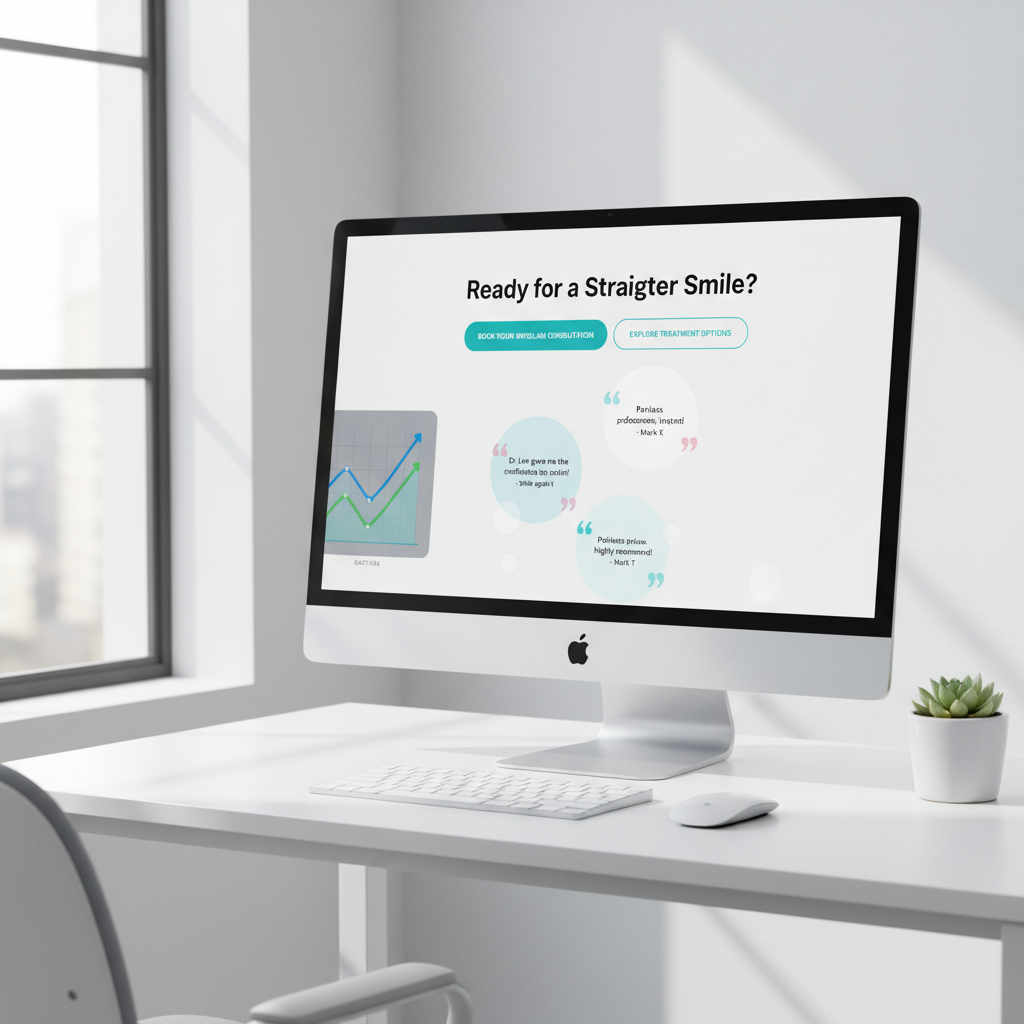
Converting website visitors into consultation bookings requires strategic user experience optimization targeting the 15% visitor-to-consultation benchmark. Position clear, compelling calls-to-action above the fold on every page, using action-oriented language like “Book Your Invisalign Consultation Today” rather than generic “Contact Us” buttons.
Streamline your booking process to minimize friction points. Implement sticky booking buttons on mobile devices and ensure your appointment scheduling system loads in under 2 seconds. A/B test different CTA colors, positioning, and messaging to identify what resonates best with your specific patient demographics. Accessibility improvements including alt text for images and high-contrast design elements not only improve user experience but also support SEO rankings. For practices looking to enhance their local reach, consider leveraging local SEO for dentists as part of your conversion strategy.
Consistent monitoring and optimization drive the 20% quarterly growth benchmark that separates successful dental practices from stagnant ones. Establish a systematic approach using Google Analytics 4 and Search Console to track impressions, click-through rates, and consultation conversions weekly rather than sporadically checking metrics.
Configure conversion tracking for specific goals: phone calls, contact form submissions, and online appointment bookings. Set up automated reports highlighting keyword ranking changes, organic traffic fluctuations, and Core Web Vitals performance. Schedule quarterly comprehensive audits using SEMrush or Ahrefs to identify technical issues, content gaps, and emerging keyword opportunities before competitors capitalize on them.
| KPI Metric | Monthly Target | Tracking Tool | Action Threshold |
|---|---|---|---|
| Organic Traffic Growth | 15% increase | Google Analytics 4 | Below 10% = audit needed |
| Keyword Rankings | Top 3 for 5 terms | SEMrush | Position drops >3 = optimize |
| Consultation Bookings | 50+ qualified leads | Call tracking software | Below 40 = CRO review |
| Page Load Speed | Under 3 seconds | PageSpeed Insights | Above 4 seconds = technical fix |
Results typically emerge within 3-6 months for established practices following this dental SEO checklist systematically. Document changes and their impact to build a performance database that informs future optimization decisions and demonstrates ROI to stakeholders.
Strategic SEO investment delivers superior long-term value compared to paid advertising for dental practices focused on sustainable growth. While Google Ads provide immediate visibility, organic search results generate higher-quality leads with significantly lower cost per acquisition.
| Investment Factor | Dental SEO | Paid Advertising |
|---|---|---|
| Average Cost Per Lead | £4.55 | £25+ |
| Result Longevity | Evergreen rankings | Budget-dependent visibility |
| Patient Intent Quality | High-intent organic searches | Broader targeting, more no-shows |
| Timeline to Results | 3-6 months | Immediate but temporary |
Dominate Dental’s integrated approach combines both strategies strategically, using SEO as the foundation for sustainable private treatment revenue growth while deploying targeted ads for specific campaigns. Our clients typically see 35% better conversion rates from organic traffic compared to paid channels, making SEO the cornerstone of profitable dental marketing. For authoritative guidance on dental regulations, consult the General Dental Council.

Most dental practices encounter predictable obstacles that derail their SEO progress. Identifying and addressing these issues quickly prevents months of stagnant rankings and missed patient opportunities.
Technical problems top the list: slow-loading websites kill conversions before patients engage. Compress images and implement CDN solutions within 24 hours if your site exceeds 3-second load times. Poor review management damages local rankings—develop response templates and incentive systems to generate consistent 5-star feedback. NAP inconsistencies plague 90% of dental practices, confusing search engines and diluting local authority. Audit and standardize your practice information across all directories immediately.
Success with this dental SEO checklist requires systematic implementation rather than attempting everything simultaneously. Begin with technical audits and keyword research during week one, as these foundation elements support all subsequent optimizations. Prioritize Google Business Profile completion and NAP consistency in week two to capture immediate local search opportunities.
Dominate Dental stands as the UK’s leading dental SEO agency, delivering measurable results for practices seeking sustainable growth.
Keyword research helps you target specific, high-intent search terms like “Invisalign dentist Birmingham” that attract patients actively seeking your services. By focusing on these precise keywords, your website ranks higher for relevant queries, increasing qualified traffic and boosting the likelihood of converting visitors into high-value consultations.
Effective local SEO strategies include optimising your Google Business Profile with accurate NAP (Name, Address, Phone) details, encouraging patient reviews, and targeting geo-specific keywords. Claiming your spot in the Google Map Pack and ensuring your website loads quickly and is mobile-friendly also significantly enhance your visibility to local patients searching for dental treatments.
Content marketing educates and engages potential patients by addressing their specific questions and concerns, building trust before they book. This approach attracts 67% more qualified leads than traditional ads because it targets patients actively researching treatments, resulting in higher conversion rates and better ROI for your practice.
Leveraging AI allows you to optimise content dynamically for search intent and user behaviour, while geo-targeting ensures your marketing reaches patients in your practice’s catchment area. Combining these technologies helps capture zero-click searches and voice queries, keeping your practice visible and competitive as search evolves in 2026 and beyond.