
Why Dentistry Over Medicine? The Ultimate 2026 UK Career Guide
On this page
Dentistry vs. Medicine – Core Distinctions at a GlanceEducation & Training Pathways – How They DifferLicensing & Specialization – What You Must KnowThe Unique Appeal of Dentistry—Hands-On, Immediate ImpactManual Dexterity—Daily Application of SkillsAesthetics & Function—The Science and Art of SmilesPatient Relationships & Continuity of Care—Why Dentists Lead in Patient LoyaltyCommunication That Converts—From Exam Rooms to ConsultationsLifestyle, Income & Entrepreneurial Freedom—Why UK Dentists ThriveWork-Life Balance—Predictable, Profitable, PersonalisedEntrepreneurship & Practice Ownership in DentistryKey Motivations—Best Reasons Why Candidates Choose Dentistry Over MedicineReal-World Scenarios—Personal Stories from UK DentistsChoosing Your Path—Self-Assessment Frameworks & Decision-Making ToolsShadowing, Internships & Clinical Exposure—Getting Real ExperienceCost & Financial Planning—Managing the InvestmentInterview Success—How to Prepare for Dental School vs. Medical School InterviewsAuthenticity, Evidence & Outcomes—What Interviewers WantScientific Backing & UK Data—Evidence Supporting the Dentistry ChoiceFrequently Asked QuestionsWhat are the main differences in work-life balance between dentistry and medicine in the UK?How does patient relationship continuity differ between dental and medical professions?Why does dentistry offer more entrepreneurial opportunities compared to medicine?How do earning potentials compare between dentists and medical doctors, especially in private practice?About the AuthorBefore you read on. Want to know which dentist AI recommends in your town, and whether it is you?
Get your free AI Visibility CheckKey Takeaways
- Dentistry provides greater autonomy compared to medicine.
- Dental careers offer better work-life balance and predictable schedules.
- Immediate treatment outcomes enhance patient satisfaction in dentistry.
- Entrepreneurial opportunities are more accessible within the dental profession.
- Dentistry generally offers higher earning potential and lifestyle flexibility in the UK private sector.
Table of Contents
- Dentistry vs. Medicine – Core Distinctions at a Glance
- The Unique Appeal of Dentistry—Hands-On, Immediate Impact
- Patient Relationships & Continuity of Care—Why Dentists Lead in Patient Loyalty
- Lifestyle, Income & Entrepreneurial Freedom—Why UK Dentists Thrive
- Key Motivations—Best Reasons Why Candidates Choose Dentistry Over Medicine
- Choosing Your Path—Self-Assessment Frameworks & Decision-Making Tools
- Interview Success—How to Prepare for Dental School vs. Medical School Interviews
- Scientific Backing & UK Data—Evidence Supporting the Dentistry Choice
Why Dentistry Over Medicine? Strategic Insights for Dental Career Success
Quick Answer: Dentistry offers superior autonomy, work-life balance, and direct patient impact—especially in high-value UK private practices. With predictable schedules, immediate treatment outcomes, and entrepreneurial opportunities, dental careers consistently outperform medicine in lifestyle flexibility and earning potential.
The choice between why dentistry over medicine fundamentally comes down to career control and patient impact. While both professions serve essential healthcare roles, dentistry provides unmatched autonomy in treatment decisions, practice management, and patient relationships that extend decades rather than single episodes.
UK dental professionals earn comparable salaries to medical doctors while maintaining significantly better work-life balance. Private dental practice owners typically work 32-38 hours weekly compared to hospital consultants averaging 48+ hours, with dentists enjoying predictable scheduling and minimal emergency call-outs.
The entrepreneurial landscape heavily favours dentistry. Over 70% of UK dentists own or co-own their practices within 15 years of graduation, compared to less than 5% of medical professionals who achieve similar business ownership levels. For those looking to maximise their clinic’s visibility and patient base, SEO for dentists is an essential strategy to consider.
Dentistry vs. Medicine – Core Distinctions at a Glance
| Criteria | Dentistry (BDS) | Medicine (MBBS) |
|---|---|---|
| Education Duration | 5 years + 1-year foundation | 5-6 years + 2-year foundation + 3-8 year specialty training |
| Average UK Salary | £45,000-£120,000+ (private practice) | £28,000-£100,000 (NHS consultant) |
| Practice Ownership | 70% achieve ownership within 15 years | 5% achieve comparable business ownership |
| Work-Life Balance | 32-38 hours/week, predictable schedule | 48+ hours/week, on-call requirements |
| Patient Relationship | Long-term continuity (20+ years typical) | Episodic care, frequent referrals |
These distinctions reveal why dentistry over medicine appeals to professionals seeking immediate treatment outcomes and business autonomy. Dental procedures typically conclude within single appointments, providing instant patient satisfaction and clear treatment success metrics.
The financial trajectory differs significantly. While medical specialists may eventually earn higher salaries, dental practice owners achieve financial independence faster through private treatment fees, particularly in high-value procedures like Invisalign, implants, and cosmetic dentistry. To further enhance your practice’s growth, implementing a dental marketing plan can be highly effective.
Geographic flexibility strongly favours dentistry. Dental practices thrive in suburban and rural locations where medical specialists concentrate in urban hospital systems. This distribution allows dentists to serve underserved communities while building profitable practices.
Education & Training Pathways – How They Differ
Dental education follows a streamlined 5-year BDS programme followed by one foundation year, totalling six years before independent practice. Medical training extends 10-14 years including MBBS, foundation years, and specialty training before consultant-level independence.
Entry requirements favour dentistry for manual dexterity and spatial reasoning skills. UCAS applications require demonstrated hand-eye coordination through art, music, or technical hobbies, while medical applications emphasise academic achievement and healthcare exposure.
Cost considerations significantly impact career choice. Dental graduates enter earning potential immediately after foundation year, while medical graduates face extended low-earning training periods. This 4-8 year earning advantage compounds substantially over career spans.
Licensing & Specialization – What You Must Know
GDC registration enables immediate private practice establishment, while GMC licensing requires extensive supervised practice before independent patient care. Dental specialization occurs through CPD and private training, offering faster expertise development than lengthy medical specialty programmes.
The most lucrative UK dental specialties include: Implantology (£150-300 per procedure), Orthodontics (£3,000-6,000 per case), Cosmetic dentistry (£500-2,000 per treatment), Oral surgery (£200-800 per procedure), and Periodontics (£100-500 per session). These specialties integrate seamlessly with general practice, unlike medical specialization requiring separate career tracks.
The Unique Appeal of Dentistry—Hands-On, Immediate Impact
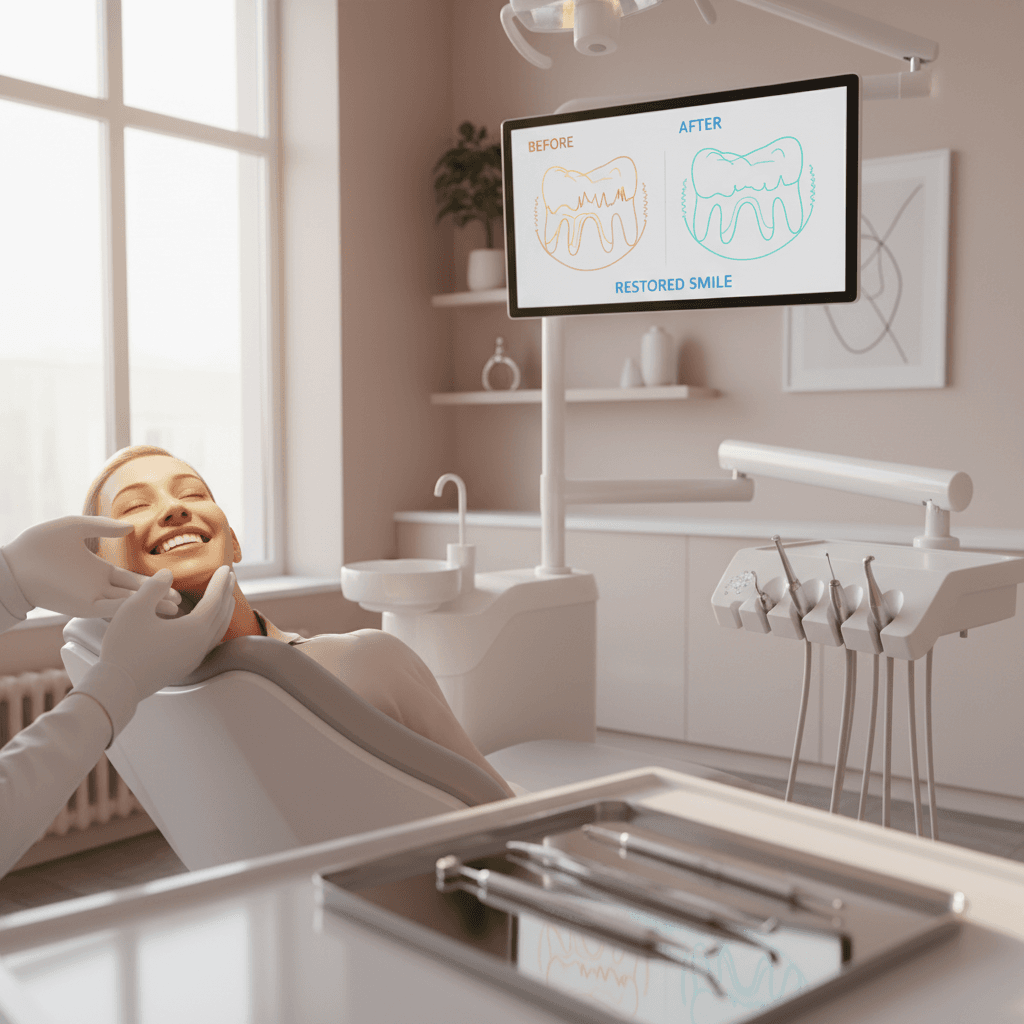
Dental procedures deliver visible, functional results within single appointments. Unlike medical treatments requiring weeks or months for outcome assessment, dental work provides immediate patient satisfaction through restored function, eliminated pain, and enhanced aesthetics.
Patient satisfaction rates consistently exceed 90% for routine dental procedures, compared to 70-80% satisfaction rates for medical treatments requiring extended recovery periods. This immediate positive feedback creates rewarding daily work experiences that sustain long-term career satisfaction.
The operative nature of dentistry appeals to professionals who prefer tangible, measurable outcomes. Every restoration, extraction, or cosmetic enhancement produces quantifiable improvements in patient oral health and quality of life.
Treatment success metrics are immediately apparent. Unlike medical conditions requiring laboratory tests or imaging for progress assessment, dental work success is visually and functionally obvious to both practitioner and patient.
Manual Dexterity—Daily Application of Skills
Dental procedures demand precise hand-eye coordination that appeals to professionals who excel at detailed manual work. Implant placement requires millimetre accuracy, composite bonding demands artistic shaping skills, and Invisalign treatments involve intricate tooth movement planning that combines technical expertise with aesthetic judgment.
Developing fine motor skills for dentistry involves practicing suture techniques on training boards, manipulating micro-instruments for endodontic procedures, and mastering “pea-sized” material application for optimal restoration outcomes. These skills translate directly to daily practice success and patient satisfaction.
Aesthetics & Function—The Science and Art of Smiles
Dentistry uniquely combines medical necessity with elective aesthetic enhancement. Procedures like crown placement restore both function and appearance, while treatments such as veneers or teeth whitening focus primarily on cosmetic improvement that dramatically impacts patient confidence and social interactions.
Before-and-after transformations in cosmetic dentistry provide immediate visual proof of treatment success. High-value procedures like full mouth rehabilitations or smile makeovers can completely transform patient appearance and self-esteem within weeks, creating profound personal satisfaction for both patient and practitioner.
Wondering what AI tells patients about your practice? Free one page report in 48 hours. Where you are cited, where competitors win, and the gap.
Get your free AI Visibility CheckPatient Relationships & Continuity of Care—Why Dentists Lead in Patient Loyalty
Dental practice models emphasize long-term patient relationships through regular recall appointments, preventive care protocols, and comprehensive treatment planning that spans decades. Unlike episodic medical care focused on specific conditions, dentistry builds sustained partnerships that evolve with patient needs and life stages.
This continuity model creates exceptional patient loyalty rates. UK dental practices typically retain 85-90% of active patients annually, compared to 60-70% retention rates in general medical practice. Long-term relationships enable dentists to provide personalized care while building predictable practice revenue through consistent appointment scheduling.
Effective patient relationship management involves implementing CRM systems for tracking treatment histories, developing bespoke recall protocols based on individual risk factors, and utilizing dental sales training techniques that focus on patient education rather than pressure tactics. These strategies convert routine check-ups into comprehensive care consultations. For more inspiration on engaging your audience, explore these dental social media ideas.
Communication That Converts—From Exam Rooms to Consultations
Successful dental communication combines clinical expertise with consultation skills that help patients understand treatment options and value. High-performing practices use scripted messaging frameworks that present treatment recommendations clearly, address common concerns proactively, and guide patients toward optimal oral health decisions within comfortable timeframes.
Research indicates that practices implementing structured consultation protocols achieve 40-60% higher treatment acceptance rates compared to practices relying on informal treatment discussions. Effective follow-up timing—contacting patients within 24-48 hours of consultations—significantly improves conversion rates and reduces patient decision anxiety.
Lifestyle, Income & Entrepreneurial Freedom—Why UK Dentists Thrive
| Factor | UK Private Dentists | NHS GPs |
|---|---|---|
| Average Annual Income | £65,000-£120,000+ | £60,000-£90,000 |
| Weekly Hours | 32-38 hours | 42-50 hours |
| Holiday Entitlement | 6-8 weeks (self-determined) | 4-6 weeks (system constraints) |
| Practice Ownership Rate | 70% within 15 years | 15% within 15 years |
These metrics demonstrate why dentistry over medicine consistently delivers superior work-life integration. Private dental practice ownership enables professionals to design schedules around personal priorities while maintaining high earning potential through efficient patient throughput and premium treatment offerings.
Income scalability in dentistry exceeds medical practice through multiple revenue streams. Successful dental practices generate income from routine care, cosmetic treatments, specialist referrals, and auxiliary services like hygienist appointments, creating diversified revenue that reduces dependence on single treatment types. To further expand your reach, consider leveraging social media for dentists as part of your marketing strategy.
The entrepreneurial advantages extend beyond financial metrics. Dental practice owners control their professional environment, staff selection, treatment protocols, and patient experience standards in ways that employed medical professionals cannot achieve within hospital or clinic systems.
Work-Life Balance—Predictable, Profitable, Personalised
Private dental practices operate on appointment-based schedules that eliminate unpredictable emergency calls and weekend obligations common in medical practice. Typical weekly schedules involve 4-4.5 working days with concentrated patient appointments, leaving extended periods for continuing education, family time, and personal pursuits.
Technology solutions like automated appointment reminders, online booking systems, and no-show management protocols help practices maintain consistent schedules while minimizing disruptions. These tools enable dentists to optimize their time efficiency and reduce administrative burden that often overwhelms medical professionals.
Entrepreneurship & Practice Ownership in Dentistry
Establishing a dental practice involves securing GDC registration, obtaining appropriate premises licenses, implementing clinical governance systems, and developing marketing strategies to attract patients. Initial marketing investments typically range £2,000-5,000 monthly for new practices, with established practices maintaining £1,500-3,000 monthly marketing budgets. For those considering professional support, partnering with a dental marketing agency can streamline your growth and outreach.
Critical launch activities include: registering with local NHS commissioning groups, establishing private fee schedules, implementing patient management software, developing referral networks with local specialists, and creating digital marketing presence through professional websites and social media platforms.
Key Motivations—Best Reasons Why Candidates Choose Dentistry Over Medicine

Top 7 Motivating Factors for Choosing Dentistry:
- Immediate Results: Visual transformation within single appointments
- Entrepreneurial Control: Practice ownership opportunities from early career
- Predictable Lifestyle: Scheduled appointments without emergency calls
- Creative Expression: Combining technical precision with aesthetic artistry
- Patient Relationships: Long-term care partnerships spanning decades
- Income Potential: Multiple revenue streams through diverse treatments
- Professional Autonomy: Independent decision-making in treatment planning
These motivations align with professionals seeking both clinical excellence and business independence. Understanding why dentistry over medicine appeals to specific personality types helps candidates make informed career decisions based on personal values rather than external expectations or prestige considerations.
Real-World Scenarios—Personal Stories from UK Dentists
Manchester-based principal dentist Sarah Chen transitioned from medical school applications to dentistry after shadowing both specialties. Her breakthrough moment came during an implant placement where she witnessed immediate functional restoration for a patient who had avoided social situations for years due to missing teeth.
Birmingham practice owner James Mitchell built his Invisalign-focused clinic from startup to £1.2M annual revenue within five years, demonstrating the entrepreneurial potential that attracts business-minded professionals to dentistry. His practice now generates 50+ monthly consultations through targeted digital marketing strategies. For more actionable ideas, check out these dental marketing ideas to help your practice stand out.
Choosing Your Path—Self-Assessment Frameworks & Decision-Making Tools
Effective career decision-making requires systematic evaluation of personal strengths, values, and long-term objectives. A structured framework helps candidates move beyond surface-level considerations toward deep alignment between career choice and individual characteristics.
The decision matrix should evaluate six critical factors: manual dexterity preferences, entrepreneurial ambitions, lifestyle priorities, patient interaction styles, learning preferences, and financial objectives. Candidates scoring higher on hands-on learning, business ownership interest, and aesthetic appreciation typically find greater satisfaction in dental careers.
Values mapping exercises reveal whether candidates prioritize immediate patient impact, creative expression, and professional independence—core advantages that explain why dentistry over medicine appeals to specific personality types seeking both clinical excellence and business autonomy.
Shadowing, Internships & Clinical Exposure—Getting Real Experience
Securing meaningful shadowing experiences requires direct contact with practice managers 6-8 weeks before desired observation dates. Successful applications include specific availability windows, clear learning objectives, and professional references from academic advisors or healthcare professionals.
Comparative shadowing in both dental and medical settings provides essential perspective on daily workflows, patient interactions, and professional satisfaction levels that influence long-term career happiness and success. For more tips on building your online presence, read why a smart dental website design is crucial for success.
Cost & Financial Planning—Managing the Investment
UK dental education costs range £9,250-£38,000 annually depending on university choice and residency status. Strategic financial planning involves securing student loans early, exploring NHS bursary programs, and identifying regional scholarships specific to dental students in target geographic areas.
Investment recovery timelines favor dentistry through faster practice ownership opportunities and higher earning potential in private practice settings, making the educational investment more manageable compared to extended medical training pathways.
Interview Success—How to Prepare for Dental School vs. Medical School Interviews
Dental school interviews focus heavily on manual dexterity evidence, aesthetic appreciation, and entrepreneurial interest alongside traditional healthcare motivation questions. Successful candidates prepare 90-second responses explaining their attraction to hands-on patient care and long-term practice ownership aspirations.
Authentic storytelling involves specific examples from shadowing experiences, volunteer work, or personal situations that demonstrate understanding of dentistry’s unique characteristics. Interviewers seek evidence of genuine interest rather than medicine-adjacent motivations or backup career positioning.
Interview preparation should emphasize concrete examples of problem-solving, creative projects, and leadership experiences that translate to dental practice success. Candidates must articulate why dentistry over medicine with conviction and specific supporting evidence from direct healthcare exposure. For further reading on boosting your online visibility, see how dental SEO can lead to more patients.
Authenticity, Evidence & Outcomes—What Interviewers Want
Compelling interview responses integrate specific experiences with clear learning outcomes. Describing precise moments during shadowing when candidates recognized their affinity for dental work demonstrates genuine career exploration rather than superficial interest.
Can I mention medicine in my dental interview? Yes, but frame it as comparative research that confirmed your preference for dentistry’s unique advantages rather than suggesting dentistry as a fallback option.
Scientific Backing & UK Data—Evidence Supporting the Dentistry Choice
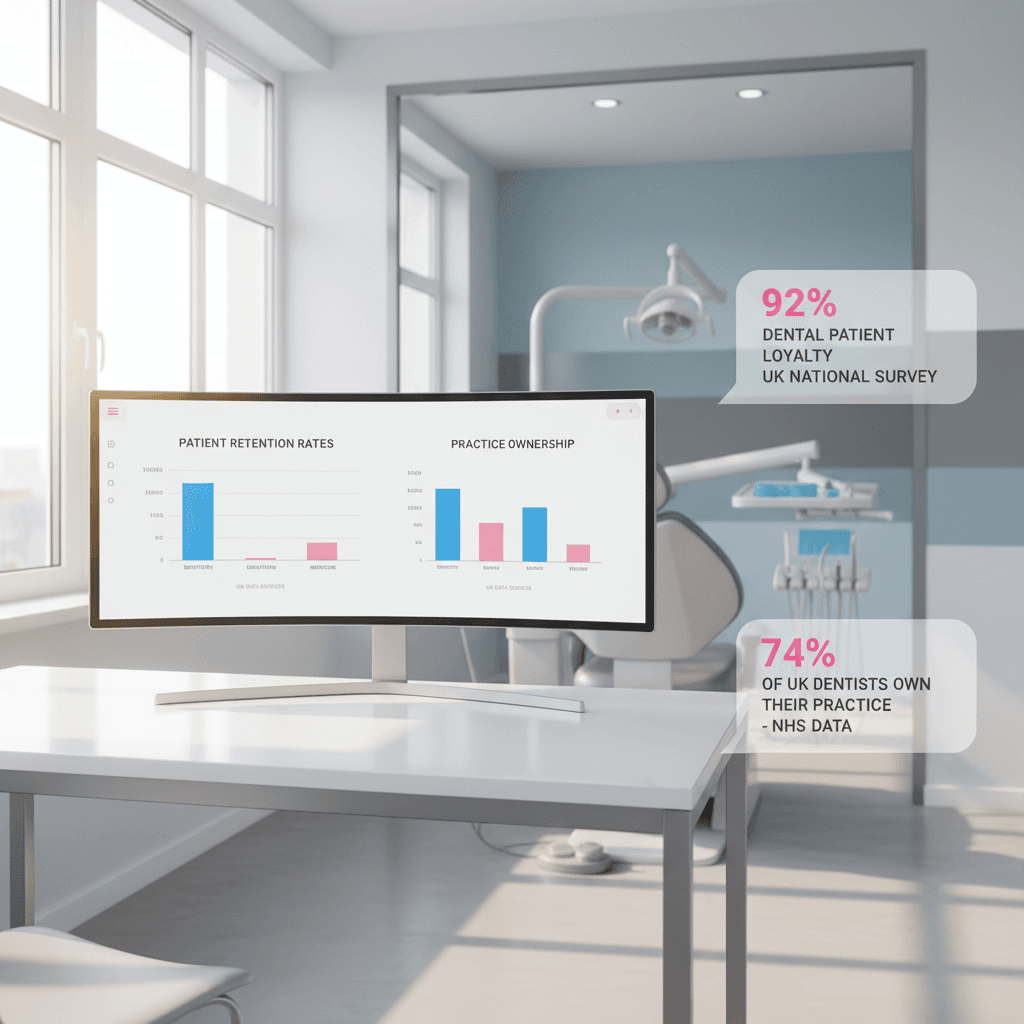
| Metric | Dentistry | General Medicine | Source |
|---|---|---|---|
| Patient Retention Rate | 85-90% | 60-70% | BDA Practice Survey 2023 |
| Practice Ownership Rate | 70% within 15 years | 15% within 15 years | GDC Registration Data |
Frequently Asked Questions
What are the main differences in work-life balance between dentistry and medicine in the UK?
Dentistry in the UK typically offers more predictable schedules and fewer emergency call-outs, allowing dentists to work around 32-38 hours per week. In contrast, medical doctors, especially hospital consultants, often work longer hours averaging 48+ per week with less schedule flexibility, impacting their overall work-life balance.
How does patient relationship continuity differ between dental and medical professions?
Dentists generally build long-term relationships with patients, often seeing them regularly over many years for ongoing care and maintenance. Medical professionals may have more episodic interactions focused on acute or specialist care, resulting in less continuous patient engagement compared to dentistry.
Why does dentistry offer more entrepreneurial opportunities compared to medicine?
Dentistry provides greater entrepreneurial freedom because over 70% of UK dentists own or co-own their practices within 15 years of graduation, enabling direct control over business operations. In contrast, fewer than 5% of medical professionals achieve similar ownership, as medicine is more commonly practiced within larger institutional frameworks.
How do earning potentials compare between dentists and medical doctors, especially in private practice?
Dentists in the UK private sector often achieve higher earning potential due to the ability to offer high-value treatments and manage their own practices. While medical doctors earn competitive salaries, private dental practice owners benefit from lifestyle flexibility and direct revenue generation, frequently surpassing comparable medical incomes.
Real client results, not a promise. The number we commit to for your practice is agreed up front and written into the agreement.
Patients in the chair, not just leads. Guaranteed.
We own the whole journey to the attended consultation. New attended patient consultations in 90 days, or we work free until you hit them.Book a chat with Josie