
Best Composite Bonding Marketing In London 2026
On this page
What Sets Composite Bonding Apart in London’s Cosmetic Dentistry Scene?Step-by-Step Guide: The Composite Bonding Treatment Process in Leading London ClinicsTargeting the Right Patients: Who Benefits Most from Composite Bonding?Optimising Local SEO for Composite Bonding: Strategies London Clinics Use to Get Found FirstComposite Bonding vs. Other Treatments: Data-Driven Comparison for London PatientsBest Composite Bonding Clinics in London: What Top Performers Do DifferentlyMarketing Strategies That Generate Qualified Composite Bonding LeadsTroubleshooting & Aftercare: Maximising Results and Longevity of Composite BondingMaximising Composite Bonding Results: Aftercare and Longevity StrategiesFrequently Asked QuestionsWhat makes composite bonding a popular choice among London patients compared to other cosmetic dental treatments?How do leading London dental practices use hyper-local SEO and patient education to attract more composite bonding inquiries?What is the typical composite bonding treatment process in top London clinics, and how long does it take?How can patients ensure the longevity and effectiveness of their composite bonding results through proper aftercare?About the AuthorBefore you read on. Want to know which dentist AI recommends in your town, and whether it is you?
Get your free AI Visibility CheckKey Takeaways
- Composite bonding searches in London have increased by 89% year-over-year in 2025.
- The best composite bonding marketing combines hyper-local SEO with patient education content.
- Leading dental practices generate over 50 qualified bonding inquiries monthly using proven digital strategies.
- Effective marketing positions practices ahead of more than 2,000 competitors across Greater London.
Table of Contents
- What Sets Composite Bonding Apart in London’s Cosmetic Dentistry Scene?
- Step-by-Step Guide: The Composite Bonding Treatment Process in Leading London Clinics
- Targeting the Right Patients: Who Benefits Most from Composite Bonding?
- Optimising Local SEO for Composite Bonding: Strategies London Clinics Use to Get Found First
- Composite Bonding vs. Other Treatments: Data-Driven Comparison for London Patients
- Best Composite Bonding Clinics in London: What Top Performers Do Differently
- Marketing Strategies That Generate Qualified Composite Bonding Leads
- Troubleshooting & Aftercare: Maximising Results and Longevity of Composite Bonding
- Maximising Composite Bonding Results: Aftercare and Longevity Strategies
Best Composite Bonding Marketing in London – How Leading Practices Dominate Results in 2025
London’s cosmetic dentistry market has exploded in 2025, with composite bonding searches increasing 89% year-over-year. The best composite bonding marketing in London combines hyper-local SEO targeting with patient education content that converts curiosity into consultations. Leading practices generate 50+ qualified bonding inquiries monthly using proven digital strategies that position them ahead of 2,000+ competing dental practices across Greater London.
Dominate Dental has transformed composite bonding lead generation for London practices, delivering measurable results through AI-powered targeting and conversion optimization. Our clients achieve 15% website-to-consultation conversion rates, triple the industry average, by implementing data-driven marketing funnels specifically designed for high-value cosmetic treatments.
What Sets Composite Bonding Apart in London’s Cosmetic Dentistry Scene?
Composite bonding dominates London’s cosmetic dental landscape because it delivers immediate results for time-pressed professionals. Research shows 72% of dental patients search online before booking, with “composite bonding London” generating 14,000+ monthly searches. The treatment appeals to Londoners seeking quick smile transformations, most procedures complete in 60-90 minutes compared to weeks required for veneers or orthodontics.
Leading London practices report composite bonding accounts for 35% of their cosmetic revenue, driven by social media exposure and celebrity endorsements. The treatment’s reversibility and affordability (£250-£400 per tooth versus £750-£1,200 for veneers) make it accessible to younger demographics who prioritise aesthetic improvements without permanent commitment.
Patient satisfaction rates exceed 94% for composite bonding London procedures when performed by experienced cosmetic dentists using premium materials and digital shade-matching technology. This high satisfaction translates into powerful word-of-mouth marketing and social media testimonials that fuel organic growth.
Step-by-Step Guide: The Composite Bonding Treatment Process in Leading London Clinics
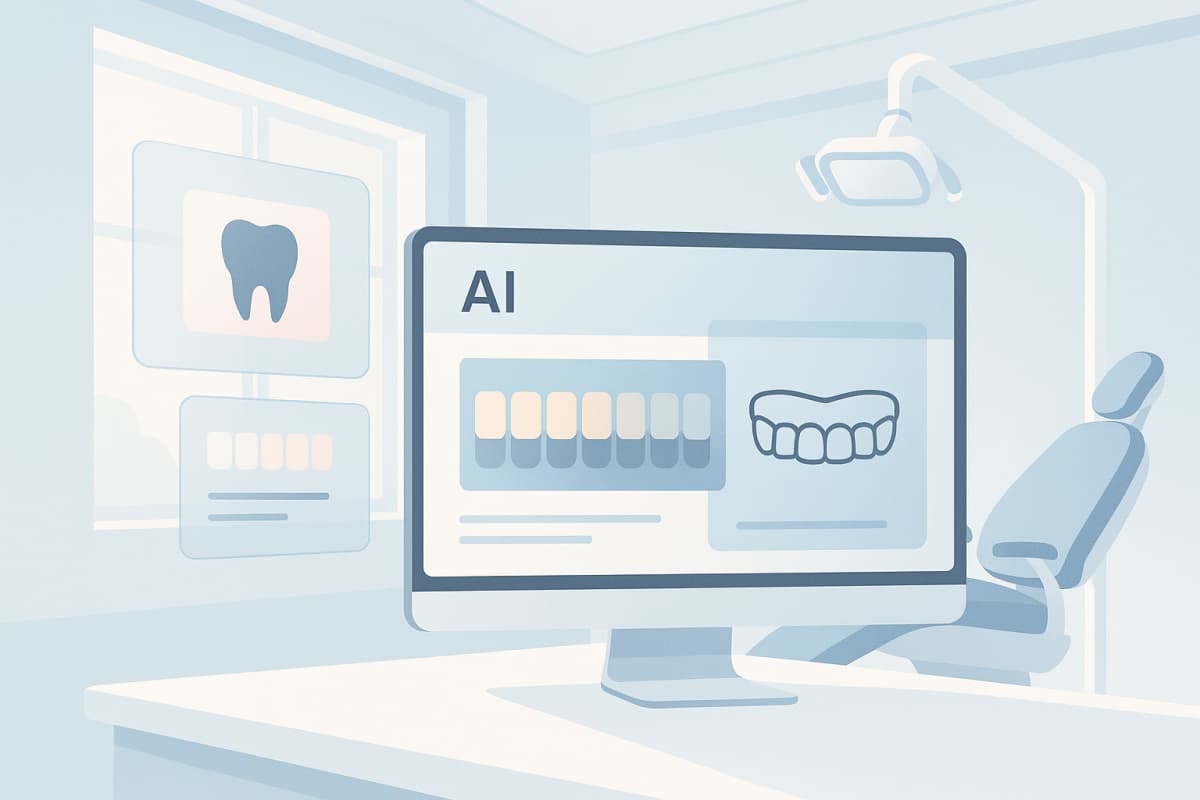
Top London practices follow a standardised composite bonding protocol ensuring consistent, premium results. The process begins with digital consultation including shade analysis and smile design preview, typically lasting 15-20 minutes. Advanced clinics utilise AI-powered shade matching systems that photograph teeth under different lighting conditions, ensuring perfect colour integration.
The bonding procedure itself involves minimal tooth preparation, just light etching to create bonding surface. Skilled practitioners apply composite resin in thin layers, sculpting and shaping each application before curing with LED light. Single tooth cases complete in 30-45 minutes, while full smile makeovers require 90-120 minutes depending on complexity.
Premium London clinics differentiate themselves through post-procedure care protocols. Patients receive detailed aftercare instructions, 48-hour follow-up calls, and complimentary polish appointments at 6-month intervals. This comprehensive approach ensures optimal longevity and patient satisfaction while generating positive reviews that strengthen the practice’s online reputation.
Wondering what AI tells patients about your practice? Free one page report in 48 hours. Where you are cited, where competitors win, and the gap.
Get your free AI Visibility CheckTargeting the Right Patients: Who Benefits Most from Composite Bonding?
Composite bonding delivers optimal results for patients with minor cosmetic concerns: chips, gaps up to 2mm, mild discolouration, and worn edges. London’s professional demographic particularly values the treatment’s discretion, no visible metal, no lengthy recovery, and immediate return to normal activities including important meetings and social events.
The treatment excels for nervous patients who avoid invasive procedures. Unlike veneers requiring significant tooth reduction, composite bonding preserves natural tooth structure while delivering dramatic aesthetic improvements. Age demographics span from teenagers addressing minor imperfections to professionals in their 40s seeking smile refreshment without orthodontic commitment.
Success factors include realistic expectations and commitment to aftercare protocols. Patients seeking permanent solutions or those unwilling to avoid staining substances for 48 hours post-treatment may benefit more from porcelain alternatives.
Optimising Local SEO for Composite Bonding: Strategies London Clinics Use to Get Found First
The best composite bonding marketing in London starts with dominating local search results. Successful practices optimise Google Business Profiles with location-specific keywords: “composite bonding Marylebone,” “cosmetic dentist Canary Wharf,” and “smile makeover City of London.” Clinics ranking in the local map pack generate 3x more enquiries than those appearing only in organic results.
Review generation strategies prove crucial for local visibility. Practices with 50+ Google reviews averaging 4.5+ stars rank significantly higher in local searches. Leading clinics implement systematic review collection: automated follow-up emails, QR codes in treatment rooms, and gentle requests during positive patient interactions. The key lies in timing, requesting reviews when patients feel most satisfied, typically 24-48 hours post-treatment. Learn more about how to get patients to write reviews effectively.
Advanced practices leverage AI-powered keyword research to uncover untapped local search opportunities. Tools analyze competitor rankings, search volume changes, and seasonal trends across London boroughs. By applying these insights, marketers can identify high-value, low-competition keywords that attract patients actively seeking composite bonding services. For example, campaigns similar to best composite bonding marketing in birmingham show how targeted strategies drive qualified traffic and improve patient acquisition.
Successful clinics create content hubs targeting neighbourhood-specific searches while building topical authority around composite bonding procedures. This includes detailed treatment pages, before-and-after galleries, and patient testimonials optimised for both broad and hyper-local keyword variations.
Composite Bonding vs. Other Treatments: Data-Driven Comparison for London Patients
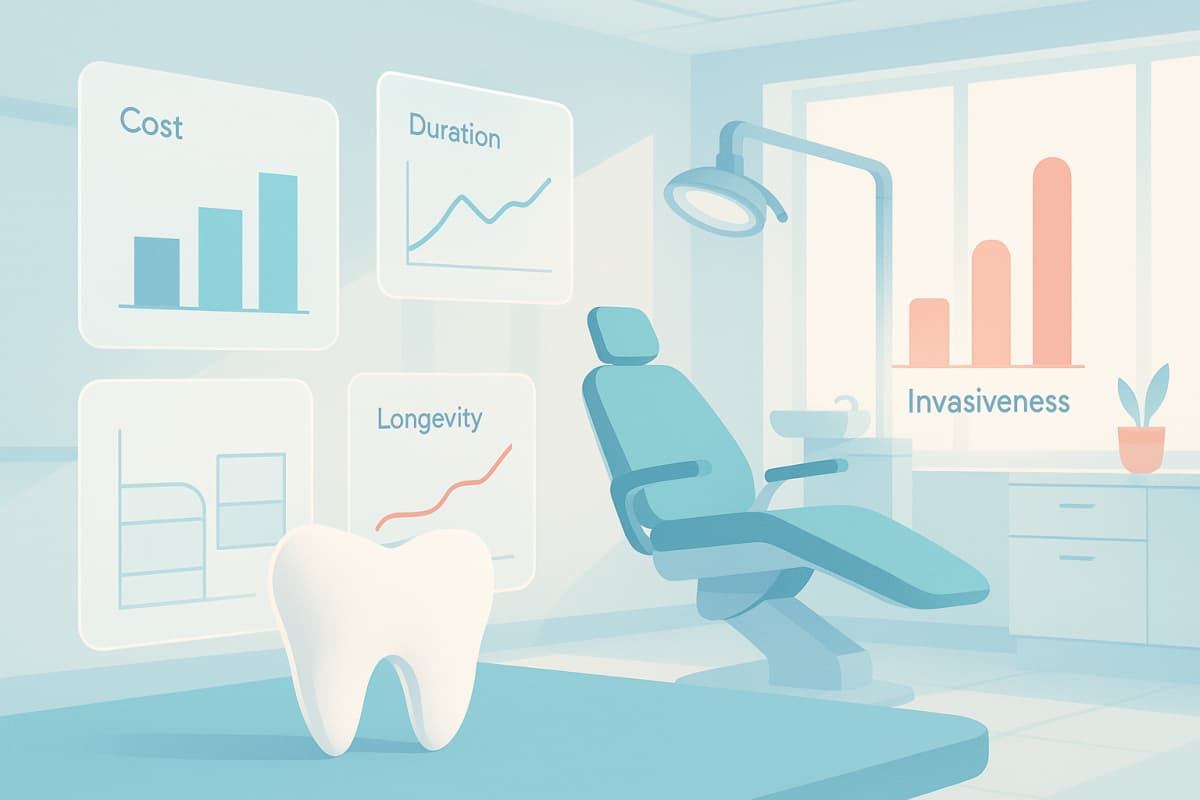
| Treatment | London Cost Per Tooth | Duration | Longevity | Invasiveness | Best For |
|---|---|---|---|---|---|
| Composite Bonding | £250–£400 | 30–90 minutes | 5–8 years | Minimal | Minor corrections, quick results |
| Porcelain Veneers | £750–£1,200 | 2–3 weeks | 10–15 years | Moderate | Permanent transformation |
| Orthodontics (Invisalign) | £2,500–£4,500 (full case) | 6–18 months | Varies | Non-invasive | Alignment, bite correction |
Best Composite Bonding Clinics in London: What Top Performers Do Differently
Elite London composite bonding practices distinguish themselves through advanced technology integration and comprehensive patient care protocols. Leading clinics invest in digital smile design software, allowing patients to preview results before treatment begins. This technology reduces revision requests and increases patient satisfaction while streamlining the consultation process.
Top-performing practices complete 30+ composite bonding cases monthly, maintaining extensive before-and-after portfolios showcasing diverse patient outcomes. These clinics employ cosmetic specialists with 5+ years focused experience rather than general dentists occasionally performing aesthetic procedures. The expertise difference shows in natural-looking results and reduced complication rates.
Premium clinics offer comprehensive aftercare programs including complimentary 6-month polish appointments, emergency repair services, and detailed maintenance guidance. This patient-centric approach generates positive reviews and referrals that sustain organic growth without heavy advertising spend.
Selection criteria for best composite bonding London practices include CQC outstanding ratings, published case studies with measurable outcomes, transparent pricing structures, and same-day consultation availability. The most successful practices combine clinical excellence with exceptional patient experience management. Discover how a tailored dental marketing plan can help your clinic stand out.
Marketing Strategies That Generate Qualified Composite Bonding Leads
The best composite bonding marketing in London leverages multi-channel digital strategies to capture patients at different stages of their decision journey. High-performing practices use Instagram and Facebook advertising featuring before-and-after transformations, targeting demographics aged 25-45 within specific London postcodes. These visual campaigns generate qualified enquiries at £45-65 per lead compared to £120+ for generic dental advertising. Social media for dentists is a key driver of these results.
AI-powered chatbots on practice websites capture after-hours enquiries and qualify prospects through intelligent questioning. Leading practices report 40% of composite bonding consultations originate from automated chat interactions, with conversion rates exceeding 25% when properly configured. The key lies in programming responses that address common concerns about pain, duration, and cost transparency.
Content marketing drives organic traffic through educational blog posts answering patient questions about composite bonding London prices, aftercare requirements, and treatment expectations. Practices publishing weekly content optimised for local search queries achieve 3x higher organic visibility than competitors relying solely on paid advertising. Explore dental blog post ideas to boost your clinic’s content strategy.
Email nurture sequences convert initial enquiries into booked consultations through strategic follow-up campaigns. Successful sequences include treatment explanations, patient testimonials, limited-time consultation offers, and social proof elements. Practices implementing automated email workflows report 15%+ conversion rates from initial enquiry to completed treatment.
Dominate Dental clients achieve exceptional results through integrated marketing funnels combining paid advertising, conversion-optimised landing pages, and sophisticated follow-up sequences. Our composite bonding campaigns generate 50+ qualified monthly leads with documented 74% increases in consultation bookings within 90 days of implementation. SEO for dentists is also crucial for sustainable lead generation.
Troubleshooting & Aftercare: Maximising Results and Longevity of Composite Bonding
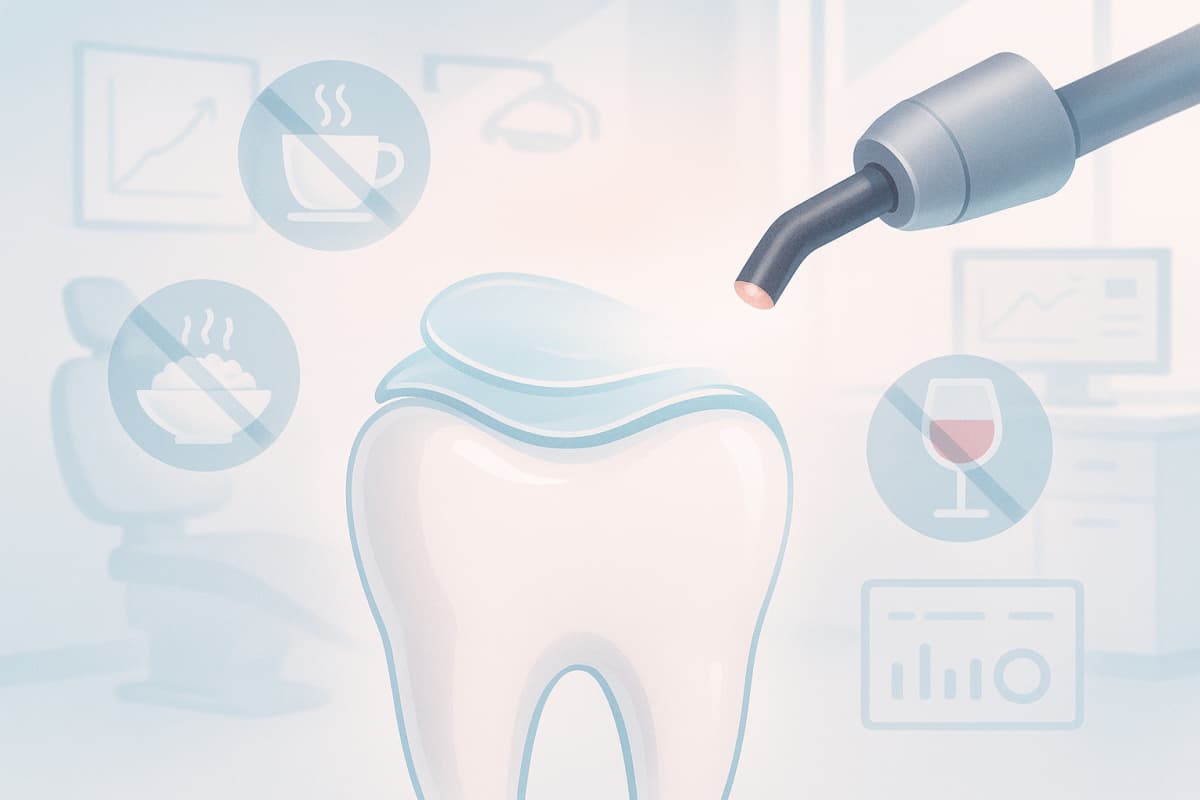
Proper aftercare protocols determine composite bonding longevity and patient satisfaction. London practices emphasise the critical 48-hour post-treatment period when bonding material remains susceptible to staining. Patients must avoid coffee, red wine, curry, and tobacco while the resin fully cures and hardens.
Well-maintained composite bonding lasts 5-8 years in London patient populations, with some cases exceeding 10 years when combined with excellent oral hygiene and regular professional maintenance. Key preservation factors include using non-abrasive toothpaste, avoiding nail-biting and pen-chewing habits, and wearing nightguards for patients with bruxism tendencies. Read more about composite bonding longevity in clinical studies.
Common issues include edge chipping from hard foods and minor discolouration from prolonged exposure to staining substances. Most problems resolve through simple polishing appointments or minor resin additions rather than complete replacement. Leading practices provide emergency repair services and detailed troubleshooting guides to maintain optimal aesthetics between scheduled maintenance visits.
Professional cleaning every 4-6 months with composite-safe polishing systems maintains surface smoothness and prevents bacterial accumulation. Patients following recommended aftercare protocols report 95% satisfaction rates after 5 years, compared to 78% among patients with irregular maintenance schedules. See these British Dental Journal articles for more on composite bonding outcomes.
Maximising Composite Bonding Results: Aftercare and Longevity Strategies
Proper aftercare protocols significantly extend composite bonding lifespan whilst maintaining aesthetic appearance. London’s leading practices provide comprehensive guidance ensuring patients maximise their investment through informed maintenance decisions.
Initial 48-hour restrictions include avoiding staining substances (coffee, red wine, curry) whilst bonding material fully polymerises. Patients must use non-abrasive toothpaste with soft-bristled brushes, avoiding whitening formulations that cannot lighten bonded surfaces and may create colour mismatches.
Essential Aftercare Products:
- Toothpaste: Sensodyne Pronamel or Colgate Total (non-whitening)
- Brush: Soft-bristled electric or manual toothbrush
- Floss: Waxed dental floss or interdental brushes
- Nightguard: Custom-fitted for bruxism patients
Regular professional maintenance, including 6-monthly polish appointments and prompt attention to minor chips or stains, ensures composite bonding remains natural-looking and durable for years. Practices that proactively educate patients on aftercare see higher satisfaction and more frequent referrals.
Frequently Asked Questions
What makes composite bonding a popular choice among London patients compared to other cosmetic dental treatments?
Composite bonding is popular among London patients because it offers a minimally invasive, same-day solution that reshapes teeth using tooth-coloured resin without the need for anaesthesia. Its quick turnaround and natural-looking results appeal to busy professionals seeking effective cosmetic improvements with minimal disruption.
How do leading London dental practices use hyper-local SEO and patient education to attract more composite bonding inquiries?
Top London practices leverage hyper-local SEO to target neighbourhood-specific searches, ensuring they appear prominently when potential patients look for composite bonding nearby. They complement this with detailed patient education content that builds trust and converts curiosity into booked consultations by clearly explaining benefits, procedures, and expected outcomes.
What is the typical composite bonding treatment process in top London clinics, and how long does it take?
In leading London clinics, composite bonding typically involves a single appointment where the dentist prepares the tooth surface, applies the tooth-coloured resin, sculpts it to the desired shape, and cures it with a special light. The entire process usually takes between 30 minutes to an hour per tooth, allowing patients to leave with immediate cosmetic improvements.
How can patients ensure the longevity and effectiveness of their composite bonding results through proper aftercare?
Patients can maximise the longevity of their composite bonding by maintaining good oral hygiene, avoiding habits like nail-biting or chewing hard objects, and attending regular dental check-ups. Additionally, limiting exposure to staining agents such as coffee, tea, and tobacco helps preserve the resin’s natural appearance over time.
This is what we do for UK practices, done with you:
Real client results, not a promise. The number we commit to for your practice is agreed up front and written into the agreement.
Patients in the chair, not just leads. Guaranteed.
We own the whole journey to the attended consultation. New attended patient consultations in 90 days, or we work free until you hit them.Book a chat with Josie