
Best Social Media Marketing for Dentists 2026 – Proven Growth Tips
On this page
What “Best Social Media Marketing for Dentists” Actually Means in 2025From Vanity Metrics to Booked ConsultationsCore Objectives for Dental Social MediaWhere Social Media Sits in Your Overall Growth SystemSocial Media Foundations for UK Dental PracticesDefining Your Ideal Patient PersonasCrafting a Consistent Dental Brand on SocialOrganic vs Paid Social Media for Dentists: Which Is “Best”?Organic Social – Relationship & Brand EquityPaid Social – Predictable Lead GenerationWhen to Use Which (and How to Combine Them)Building a High-Performance Social Media Strategy for Your Dental Practice7-Step Strategic Framework (Dominate Dental Method)Choosing the Right Offer for Social CampaignsNurturing Leads So They Actually Show UpContent That Actually Attracts High-Value Dental PatientsContent Pillars for Invisalign, Implants, and Cosmetic DentistryTop 10 Dental Social Media Post Ideas to Drive EnquiriesUsing Stories, Reels and Short-Form Video EffectivelyAI-Enhanced Social Media for Dentists (Used Responsibly)Where AI Gives You a Real AdvantageKeeping Content Authentic and Compliant with AI SupportAI + SEO + Social: Integrated StrategyTechnical Setup for High-Converting Dental Social MediaTracking, Pixels, and Conversion EventsFrequently Asked QuestionsHow can social media marketing specifically generate qualified Invisalign and implant consultations for dental practices?What measurable results should a UK dental practice expect from investing £2,000 or more monthly in social media marketing?What is the difference between focusing on vanity metrics versus booked consultations in dental social media marketing?How do organic social media efforts and paid advertising work together to maximize ROI for dental practices?About the AuthorBefore you read on. Want to know which dentist AI recommends in your town, and whether it is you?
Get your free AI Visibility CheckKey Takeaways
- The best social media marketing for dentists focuses on generating qualified Invisalign and implant consultations.
- Effective marketing strategies prioritize measurable ROI through booked treatments over vanity metrics.
- UK dental practices investing over £2,000 monthly need platforms that deliver tangible business results.
- Brand awareness alone is insufficient without converting leads into actual dental treatments.
Table of Contents
- What “Best Social Media Marketing for Dentists” Actually Means in 2025
- Social Media Foundations for UK Dental Practices
- Organic vs Paid Social Media for Dentists: Which Is “Best”?
- Building a High-Performance Social Media Strategy for Your Dental Practice
- Content That Actually Attracts High-Value Dental Patients
- AI-Enhanced Social Media for Dentists (Used Responsibly)
- Technical Setup for High-Converting Dental Social Media
Best Social Media Marketing for Dentists in the UK (2025 Guide by Dominate Dental)
The best social media marketing for dentists generates predictable flows of qualified Invisalign and implant consultations—not vanity metrics. UK dental practices investing £2,000+ monthly in marketing need platforms that deliver measurable ROI through booked treatments, not just brand awareness. Social media for dentists is most effective when it’s tailored to high-value treatments and local patient demographics.
Social media marketing works when it integrates seamlessly with your dental SEO strategy, conversion-optimised website design, and trained reception teams. The most successful UK practices combine organic authority-building with targeted paid campaigns to fill their private treatment diaries consistently.
Dental marketing agency support can help practices implement these strategies efficiently, ensuring that every pound spent on social media delivers tangible business results.
What “Best Social Media Marketing for Dentists” Actually Means in 2025
From Vanity Metrics to Booked Consultations
Best social media marketing for dentists measures success through the complete patient journey: impression → click → website visit → enquiry → consultation → treatment start. Follower counts and likes matter far less than qualified leads who actually attend appointments.
UK practices with 3+ dentists and £2,000+ monthly marketing budgets should target 50-100 inbound social enquiries monthly. When systems align correctly, expect 60-70% show-up rates for consultations booked through social channels.
Quick Answer: What should a £2,000/month social media budget deliver?
- 15-25 qualified Invisalign consultations
- 8-12 implant assessment bookings
- Cost per lead under £100 for high-value treatments
- 60%+ consultation attendance rate
Core Objectives for Dental Social Media
Effective dental social media focuses on four non-negotiable goals that directly impact practice revenue and growth.
Increase high-value treatment enquiries through targeted content showcasing Invisalign transformations, implant success stories, and cosmetic dentistry results. Target cost per implant enquiry under £120 and Invisalign consultations under £80.
Improve consultation attendance rates using reminder sequences, educational pre-appointment content, and clear expectation-setting. Well-executed nurture campaigns reduce no-shows from 40%+ to under 30%.
Build local brand authority by consistently sharing clinical expertise, patient testimonials, and behind-the-scenes practice culture. This supports both direct bookings and referral generation from existing patients.
Where Social Media Sits in Your Overall Growth System
Social media amplifies your dental SEO efforts by driving traffic to optimised treatment pages and generating branded search volume. Visitors who engage with social content before reaching your website convert 40-60% better than cold traffic.
Integration with dental website design ensures social traffic lands on conversion-optimised pages with clear booking pathways. Your dental team training determines whether social leads convert into started treatments through effective phone handling and consultation processes.
Social Media Foundations for UK Dental Practices

Defining Your Ideal Patient Personas
Three primary personas drive most UK dental practice revenue through social media channels.
“Invisalign-focused young professional” in London: Ages 25-38, £35,000+ income, concerned about discreet treatment options and flexible appointment times. Prefers Instagram Reels and values before/after transformations with timeline expectations.
“Implant-seeker 50+” in Birmingham/Manchester: Ages 48-65, established income, worried about treatment pain and long-term success rates. Responds to Facebook video testimonials and detailed treatment explanations.
“Emergency/cosmetic patient” in metro areas: Ages 30-55, varying income levels, needs immediate solutions or special occasion treatments. Engages with Stories content and same-day booking options.
| Persona | Primary Goal | Main Fear | Preferred Platform | Best Content Type |
|---|---|---|---|---|
| Young Professional | Discreet straightening | Visible braces | Before/after Reels | |
| Implant Seeker | Permanent solution | Treatment pain | Patient testimonials | |
| Emergency Patient | Quick resolution | Availability | Facebook/Google | Same-day booking posts |
Crafting a Consistent Dental Brand on Social
Brand consistency across social platforms builds trust and recognition that converts followers into patients. Define 3-4 core brand pillars such as clinical excellence, pain-free care, cosmetic expertise, or family-friendly service.
Voice guidelines ensure professional yet approachable communication. Limit caption introductions to 2-3 sentences maximum, write at Year 7-8 reading level, and always include clear next steps for interested patients.
Visual consistency requires defined brand colours, logo placement, and a cohesive photo/video style. Use the same filter or colour grading across posts, and ensure all team members understand the visual guidelines to maintain a recognisable presence.
Wondering what AI tells patients about your practice? Free one page report in 48 hours. Where you are cited, where competitors win, and the gap.
Get your free AI Visibility CheckOrganic vs Paid Social Media for Dentists: Which Is “Best”?
The best social media marketing for dentists combines both organic and paid strategies, but understanding when to use each determines your return on investment. Organic builds long-term brand equity and patient relationships, while paid delivers predictable lead generation within weeks.
Organic Social – Relationship & Brand Equity
Organic social media realistically delivers relationship strengthening and brand authority over 3-6 months, not immediate consultation bookings. UK dental practices see organic content generate 15-25% of their total social enquiries, with the primary value being patient retention and word-of-mouth amplification.
Three proven organic tactics include weekly FAQ Reels addressing common concerns like “Does Invisalign hurt?”, monthly patient story spotlights with before/after transformations, and staff features that humanise your practice. These approaches support your dental SEO efforts by driving traffic to optimised pages and increasing branded search volume in your local area. For more inspiration, explore these dental social media ideas.
Paid Social – Predictable Lead Generation
Facebook and Instagram ads target specific radius zones (typically 3-7 miles for dental practices) and deliver measurable results within 14-21 days. A well-optimised paid campaign should generate Invisalign enquiries at £80-120 per lead and implant consultations at £100-150 per lead in major UK metropolitan areas.
Successful offers include “Free Invisalign consultation with digital smile preview” and “Same-day emergency assessment for £35”. Each £1,000 in monthly ad spend should produce 8-15 qualified enquiries for high-value treatments, assuming proper targeting and compelling creative content.
When to Use Which (and How to Combine Them)
New practices should prioritise paid social for immediate lead generation while building organic presence gradually. Established practices transitioning from NHS to private work benefit from organic content that educates existing patients about cosmetic options, supported by paid campaigns targeting new patient demographics.
| Factor | Organic Social | Paid Social |
|---|---|---|
| Speed to Results | 3-6 months | 14-21 days |
| Control Over Reach | Algorithm dependent | Precise targeting |
| Cost Structure | Time investment | Direct ad spend |
| Scalability | Limited by content production | Budget dependent |
| Longevity | Builds lasting equity | Stops when budget ends |
Building a High-Performance Social Media Strategy for Your Dental Practice
A systematic approach to dental social media marketing eliminates guesswork and delivers consistent results. The most successful UK dental practices follow a structured framework that moves from market analysis to scalable lead generation within 90 days.
7-Step Strategic Framework (Dominate Dental Method)
Step 1 involves conducting a market and competitor audit within seven days, analysing local practices’ social presence, offer strategies, and engagement rates. Step 2 defines patient personas and creates compelling offers that address specific pain points for Invisalign, implant, and cosmetic dentistry prospects.
Step 3 selects optimal platform mix based on your target demographics, while Step 4 handles technical setup including Facebook pixels, conversion tracking, and integration with your dental website design. Step 5 focuses on creative production, building a bank of professional photos and videos for consistent content output.
Step 6 launches campaigns with controlled budgets and A/B tests messaging, visuals, and targeting parameters. Step 7 optimises based on performance data, scaling successful campaigns while refining underperforming elements. This systematic approach typically generates first qualified enquiries within 14-21 days of launch.
Choosing the Right Offer for Social Campaigns
Effective dental social media offers follow a value hierarchy that positions your practice as premium while removing barriers to initial consultation. “£45 Invisalign assessment including digital scan, normally £120” performs consistently better than generic “free consultation” offers across UK markets.
Value-stacking prevents discount-only positioning by bundling complementary services like whitening consultations, retainer assessments, or flexible finance options. Implant-focused offers such as “Complete implant suitability check with treatment timeline in 30 minutes” attract serious prospects while qualifying budget and timeline expectations upfront.
Nurturing Leads So They Actually Show Up
Social media leads require immediate response within five minutes where possible, followed by a structured three-touch sequence within 24 hours combining direct message, phone call, and SMS confirmation. Automation handles initial responses while human follow-up builds rapport and addresses specific concerns.
Integration with CRM systems and online booking platforms streamlines the process from enquiry to confirmed appointment. Successful practices achieve 65-75% show-up rates by sending appointment confirmations, pre-consultation information videos, and parking/location details via automated sequences triggered by booking completion.
Content That Actually Attracts High-Value Dental Patients
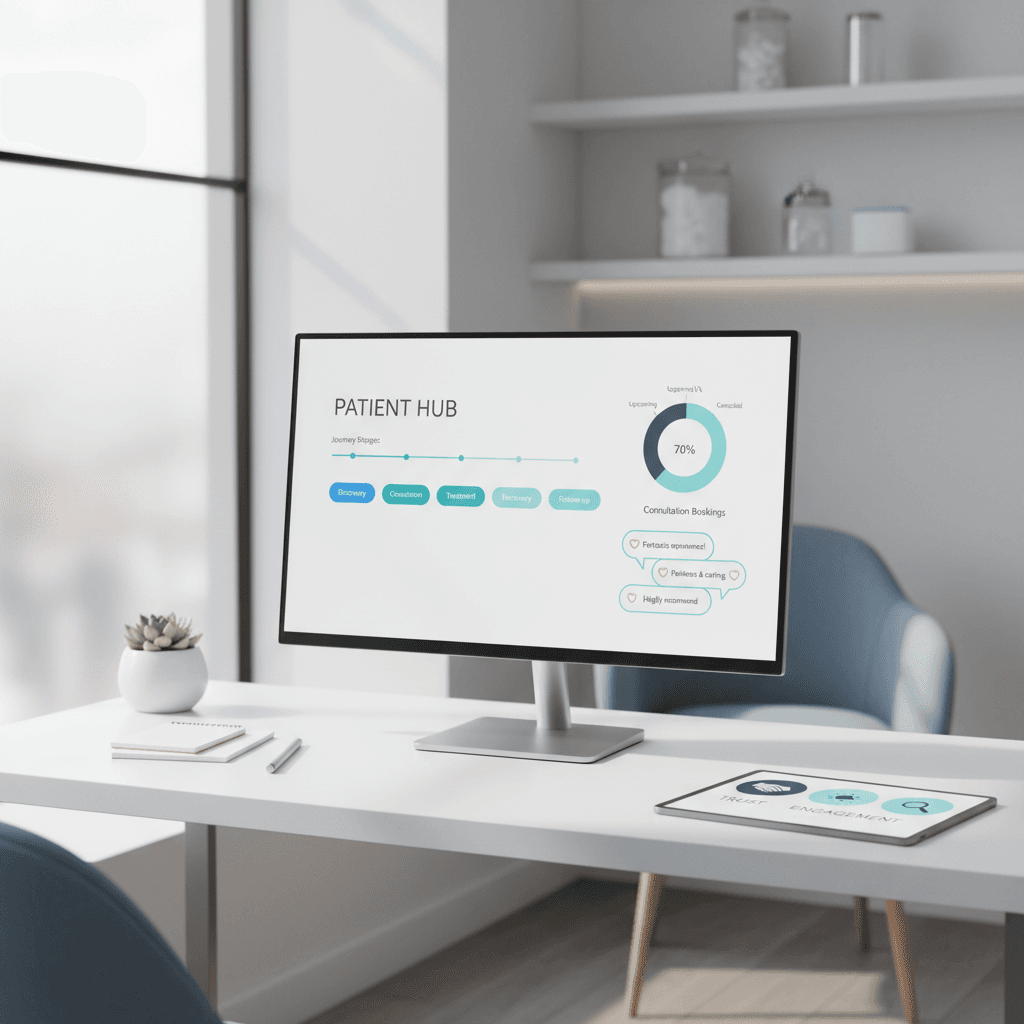
Strategic content creation drives qualified enquiries by addressing specific patient concerns at different stages of their treatment journey. The best social media marketing for dentists focuses on content pillars that directly correlate with consultation bookings and treatment starts, not vanity metrics.
Content Pillars for Invisalign, Implants, and Cosmetic Dentistry
Five content pillars form the foundation of high-converting dental social media: education addressing treatment concerns, social proof showcasing real results, behind-the-scenes content building trust, clear offers with compelling calls-to-action, and community involvement demonstrating local commitment.
Education content includes “Invisalign vs braces: 5 key differences for UK adults” and “Dental implant timeline: what to expect in months 1-6”. Social proof features before/after carousels with brief case summaries and patient testimonial videos. Behind-the-scenes posts show team expertise and modern equipment, while offer-focused content promotes specific treatments with transparent pricing and finance options.
Top 10 Dental Social Media Post Ideas to Drive Enquiries
Before/after carousel posts with mini case summaries generate highest engagement and enquiry rates, particularly for Invisalign and cosmetic treatments. “5 common myths about dental implants in the UK” educational posts address objections while positioning your expertise. Cost transparency posts featuring “Invisalign from £2,800 with 0% finance available” build trust and qualify prospects.
Live Q&A session promotions create urgency and direct engagement opportunities. Treatment timeline visuals showing “6-month Invisalign journey week by week” help prospects visualise their transformation. Patient story spotlights, emergency dental tips, staff qualification highlights, charity involvement posts, and seasonal oral health reminders complete the high-performing content mix. For more inspiration, check out these dental blog post ideas.
Using Stories, Reels and Short-Form Video Effectively
Successful dental Reels follow a proven 30-second structure: 3-second hook addressing a common concern, 20 seconds of valuable information, and 7-second call-to-action with clear next steps. “Does Invisalign hurt?” Reels consistently generate high engagement by opening with the direct question, explaining comfort levels during different treatment phases, and ending with consultation booking prompts.
Stories work best in 5-7 frame sequences covering single topics like “What happens during your implant consultation”. Optimal posting times for UK dental audiences are Monday-Thursday between 12:00-14:00 and 18:00-20:00, when professionals check social media during lunch breaks and evening downtime.
AI-Enhanced Social Media for Dentists (Used Responsibly)
Artificial intelligence transforms dental social media efficiency when applied strategically to content creation, audience targeting, and performance optimisation. Smart practices save 3-5 hours weekly while maintaining authentic patient communication and clinical accuracy.
Where AI Gives You a Real Advantage
AI excels at caption ideation, generating 10-15 variations of hooks and headlines for A/B testing within minutes. Content calendar generation becomes systematic, with AI suggesting optimal posting schedules based on audience behaviour patterns and engagement data from similar dental practices.
Hook and headline variation testing accelerates campaign optimisation, allowing practices to test “Worried about Invisalign pain?” versus “Invisalign: comfortable or uncomfortable?” simultaneously. This data-driven approach typically improves click-through rates by 25-40% compared to single-variant campaigns.
Keeping Content Authentic and Compliant with AI Support
Never fabricate patient stories or before/after images using AI tools, as this violates both professional ethics and UK advertising standards. Always require human review for clinical accuracy, with qualified dental professionals approving all treatment-related content before publication. For official guidance, review the GDC guidance on using social media.
The optimal workflow involves AI-drafted captions reviewed and edited by clinicians for accuracy and brand voice. For example, AI might suggest “Invisalign typically takes 12-18 months” which a dentist refines to “Most Invisalign cases complete in 6-18 months, depending on complexity – we’ll give you a precise timeline during consultation.”
Quick Answer: Can dentists use AI to create social media posts? Yes, for ideation and drafting, but never for patient testimonials, clinical claims, or before/after images. Always maintain human oversight for accuracy and compliance.
AI + SEO + Social: Integrated Strategy
AI-optimised SEO content repurposes effectively into social media formats: comprehensive “Complete Guide to Dental Implants UK” articles become carousel posts, short explainer videos, and Story sequences. This integrated approach maximises content investment while maintaining consistent messaging across platforms.
Social engagement data informs SEO strategy refinement, with high-performing social topics indicating strong search demand. Questions frequently asked in comments become new blog post topics, creating a feedback loop that strengthens both social media and dental SEO performance.
Technical Setup for High-Converting Dental Social Media
Proper technical infrastructure determines whether social media traffic converts into booked consultations or bounces without engagement. Successful dental practices implement comprehensive tracking, optimised landing pages, and seamless booking integration before launching campaigns.
Tracking, Pixels, and Conversion Events
Essential technical setup includes Facebook Pixel installation, Conversions API where possible, and Google Analytics 4 with enhanced ecommerce tracking. These tools measure the complete patient journey from social to booking. For additional best practices, the BDA’s social media marketing advice is a valuable resource for UK dental teams.
Frequently Asked Questions
How can social media marketing specifically generate qualified Invisalign and implant consultations for dental practices?
Social media marketing targets potential patients by using precise demographic and interest-based advertising, focusing on those seeking Invisalign and implant treatments. By combining engaging, treatment-specific content with AI-driven personalization and clear calls to action, practices attract qualified leads who are more likely to book consultations.
What measurable results should a UK dental practice expect from investing £2,000 or more monthly in social media marketing?
Practices investing £2,000+ monthly should expect 15-25 qualified Invisalign consultations and 8-12 implant assessment bookings each month, with a cost per lead under £100. Additionally, a well-optimized system can achieve consultation show-up rates of 60% or higher, ensuring strong ROI from social media spend.
What is the difference between focusing on vanity metrics versus booked consultations in dental social media marketing?
Vanity metrics like follower counts and likes provide limited insight into business growth, whereas focusing on booked consultations tracks the entire patient journey from enquiry to treatment start. Prioritizing consultations ensures marketing efforts translate into tangible revenue and practice growth, not just superficial engagement.
How do organic social media efforts and paid advertising work together to maximize ROI for dental practices?
Organic social media builds brand authority and patient trust over time through consistent, valuable content, while paid advertising delivers targeted, immediate lead generation for high-value treatments. Combining both creates a sustainable pipeline of qualified leads, optimizing marketing spend and maximizing return on investment.