Whitest Shade of Teeth: Expert Guide for UK Dentists | Dominate Dental
On this page
Understanding Tooth Colour: The Science Behind the Whitest ShadesWhy Aren’t Teeth Naturally White? Genetics, Age, and Daily HabitsComparing Tooth Shades: B1, A1, and ‘Hollywood White’ (OM1–3) ExplainedHow to Choose the Best Shade of White for Your SmileProfessional Teeth Whitening: What to Expect, What’s PossibleVeneers and Restorations: Custom-Shading for the Whitest SmileMaintaining a Brighter Smile: Everyday StrategiesFinal Thoughts & Professional RecommendationsFrequently Asked QuestionsWhat is the difference between the natural tooth shade B1 and the artificial shade OM1?Why don’t natural teeth appear pure white even if they are healthy?How do daily habits like drinking coffee or smoking affect the whiteness of teeth over time?What professional treatments are available to achieve the whitest possible teeth shade?About the AuthorBefore you read on. Want to know which dentist AI recommends in your town, and whether it is you?
Get your free AI Visibility CheckKey Takeaways
- The whitest natural tooth shade is B1 according to the VITA Classical Shade Guide.
- OM1 is the whitest artificial tooth shade achievable through cosmetic dentistry.
- Natural teeth rarely appear pure white due to enamel translucency and dentin beneath.
- Professional whitening or cosmetic treatments are needed to achieve ultra-white teeth.
Table of Contents
- Understanding Tooth Colour: The Science Behind the Whitest Shades
- Why Aren’t Teeth Naturally White? Genetics, Age, and Daily Habits
- Comparing Tooth Shades: B1, A1, and ‘Hollywood White’ (OM1–3) Explained
- How to Choose the Best Shade of White for Your Smile
- Professional Teeth Whitening: What to Expect, What’s Possible
- Veneers and Restorations: Custom-Shading for the Whitest Smile
- Maintaining a Brighter Smile: Everyday Strategies
- Final Thoughts & Professional Recommendations
What is the Whitest Shade of Teeth? B1 vs OM1 Guide
The whitest natural tooth shade is B1, while OM1 represents the whitest artificial shade achievable through cosmetic dentistry. Understanding what is the whitest shade of teeth requires examining the VITA Classical Shade Guide, which dentists use worldwide to measure and match tooth colours. Natural teeth rarely achieve pure white due to enamel translucency and underlying dentin, making professional whitening or cosmetic treatments necessary for ultra-white results.
B1 is the whitest naturally occurring tooth shade, whilst OM1 is the whitest shade possible with professional treatments like veneers or advanced whitening systems.
Understanding Tooth Colour: The Science Behind the Whitest Shades
The VITA Classical Shade Guide divides tooth colours into four groups: A (reddish-brown), B (reddish-yellow), C (grey), and D (reddish-grey). Within each group, numbers 1-4 indicate increasing darkness, making B1 the lightest shade in the yellowish family and the whitest natural option available.
OM shades (OM1, OM2, OM3) represent “bleached” or artificial whiteness beyond natural limits. These ultra-white shades are primarily used for veneers, crowns, and advanced whitening treatments. OM1 achieves the purest white possible in cosmetic dentistry, though it may appear unnaturally bright against natural facial features.
| Shade Type | Whitest Option | Undertone | Common Use |
|---|---|---|---|
| Natural (VITA Classical) | B1 | Light reddish-yellow | Professional whitening, natural restorations |
| Bleached (OM Series) | OM1 | Pure white/blue-white | Veneers, Hollywood smile makeovers |
Why Aren’t Teeth Naturally White? Genetics, Age, and Daily Habits
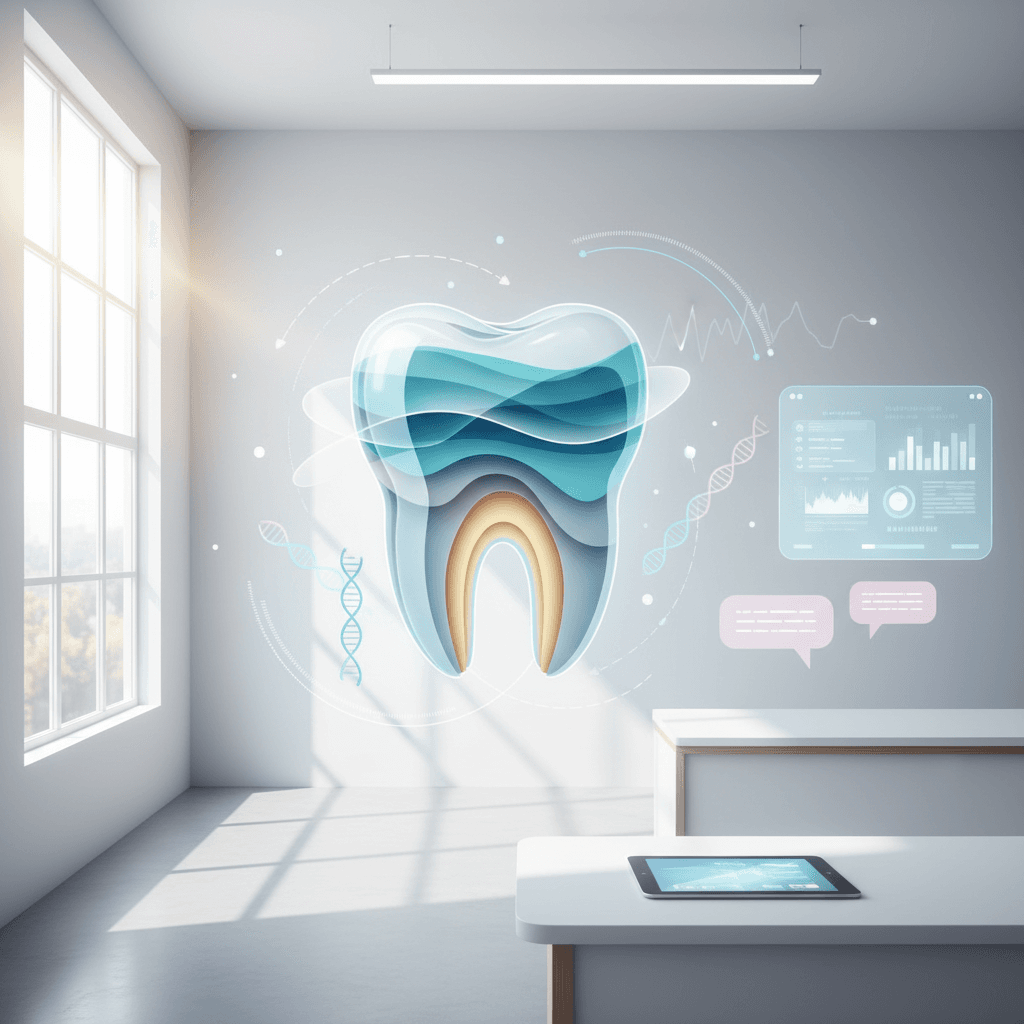
Tooth enamel is naturally translucent, allowing the yellowish dentin underneath to show through. Genetics determine your baseline shade group, with most people falling into A2-A3 ranges rather than the whitest B1 category. This biological reality explains why achieving what is the whitest shade of teeth often requires professional intervention.
Daily habits can gradually accelerate tooth darkening over time. Beverages like coffee and red wine cause immediate staining, while smoking leads to deep, persistent discoloration. For example, a typical 35-year-old who drinks coffee daily may see their teeth shift from their natural A2 shade to A3 or darker within five years, moving further from the whitest natural shades. To learn more about the worst foods for teeth that contribute to staining, check out this guide.
- Coffee/tea consumption: 1-2 shade levels darker per decade
- Smoking: 2-3 shade levels darker within 3-5 years
- Red wine: Gradual grey undertones, affecting shade clarity
- Medication (tetracycline): Deep grey banding, often permanent
- Natural aging: Enamel thinning reveals more yellow dentin
Wondering what AI tells patients about your practice? Free one page report in 48 hours. Where you are cited, where competitors win, and the gap.
Get your free AI Visibility CheckComparing Tooth Shades: B1, A1, and ‘Hollywood White’ (OM1–3) Explained
B1 represents the pinnacle of natural whiteness, featuring subtle reddish-yellow undertones that complement most skin tones. A1, whilst still light, contains more yellow and appears warmer. OM1 eliminates all natural undertones, creating the stark white associated with celebrity smiles. Learn more about how these shades are chosen and their effects on teeth by checking what-is-organic-keywords.
Professional shade matching uses controlled lighting and standardized tabs held against teeth. B1 typically suits younger patients with naturally light complexions, whilst OM1 requires careful consideration of facial harmony. The choice between natural and artificial whiteness depends on cosmetic goals, existing dental work, and lifestyle factors. Learn more about patient experiences and outcomes at spinney-brook-dental-practice-reviews.
| Shade | Whiteness Level | Undertone | Best Candidates | Typical Treatment |
|---|---|---|---|---|
| B1 | Lightest natural | Subtle reddish-yellow | Young adults, fair complexions | Professional whitening |
| A1 | Light natural | Warm yellow-brown | Most age groups, warm skin tones | Standard whitening treatments |
| OM1 | Ultra-white artificial | Pure/blue-white | Cosmetic makeovers, younger patients | Veneers, advanced whitening |
| OM2 | Bright artificial | Minimal yellow | Balanced cosmetic results | Veneers, crowns |
| OM3 | Moderate artificial | Balanced neutral | Conservative cosmetic improvement | Composite bonding, veneers |
Key Takeaway
B1 delivers the whitest natural appearance, whilst OM1 achieves the ultimate ‘Hollywood white’ through cosmetic procedures.
How to Choose the Best Shade of White for Your Smile
Selecting what is the whitest shade of teeth for your individual needs requires balancing facial harmony with cosmetic goals. Professional shade matching considers skin tone, eye colour, and existing dental work. A shade whiter than the whites of your eyes often appears artificial and draws unwanted attention.
Clinical protocols involve holding shade tabs against teeth in natural daylight, not artificial lighting. Your dentist should test multiple shades against your canine teeth, which typically represent your truest natural colour. For comprehensive smile makeovers, temporary mock-ups allow you to preview results before committing to permanent treatments.
Two critical in-practice tests ensure natural results: the ‘social distance test’ (how your smile appears from arm’s length) and the ‘animation test’ (how shades look when speaking and smiling naturally). These assessments prevent the common mistake of choosing shades that look perfect on individual teeth but clash with your overall appearance.
Top 3 Shade Selection Mistakes
- Choosing shades in artificial lighting instead of natural daylight
- Ignoring existing crowns or fillings that won’t change colour
- Selecting ultra-white shades without considering age and skin tone
Professional Teeth Whitening: What to Expect, What’s Possible
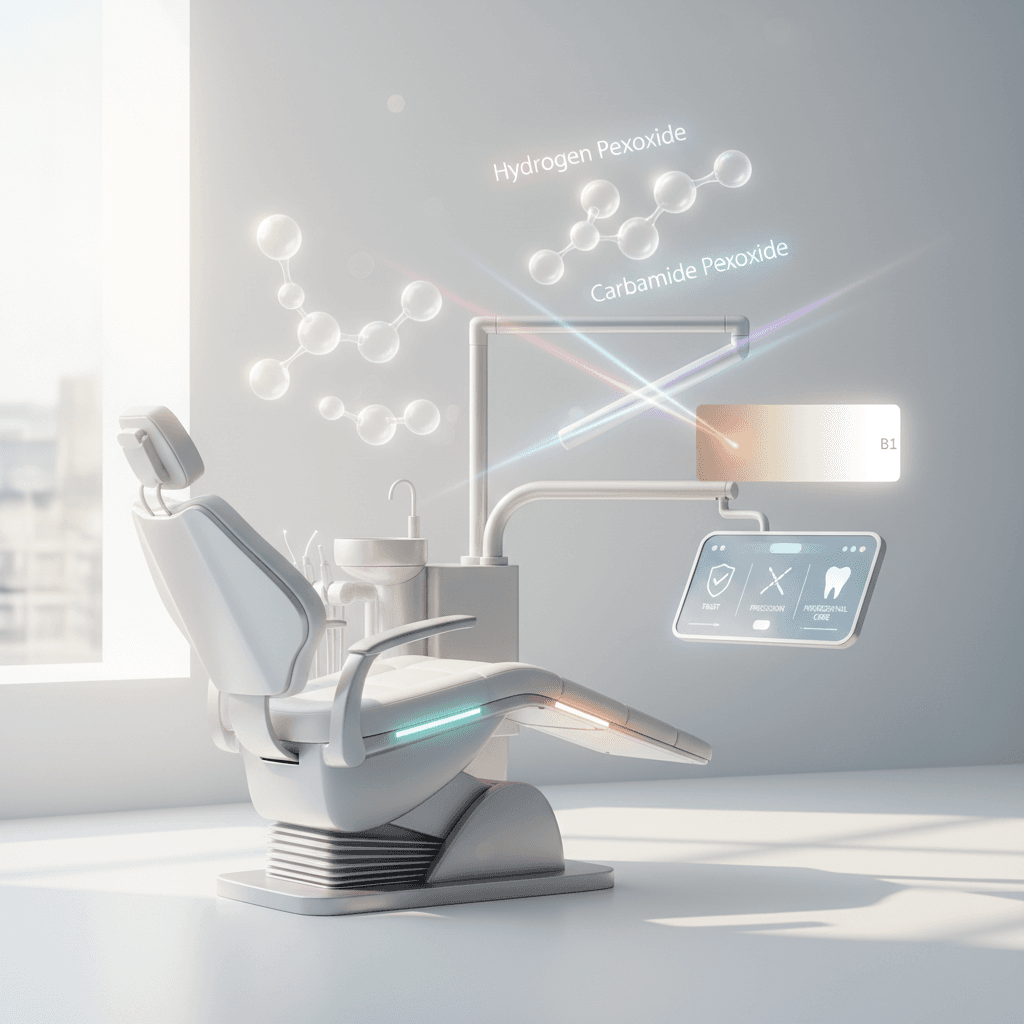
Professional whitening typically lightens teeth by 2-8 shades through hydrogen peroxide or carbamide peroxide gels. In-chair treatments using laser activation achieve faster results, often reaching B1 territory within 60-90 minutes. Custom tray systems require 2-3 weeks but offer more controlled, gradual whitening to what is the whitest shade of teeth your enamel can achieve.
Natural limitations prevent all teeth from reaching B1. Heavily restored teeth, those with intrinsic staining, or naturally darker baseline shades may plateau at A1 or A2. Results typically last 12-18 months with proper maintenance, though coffee drinkers and smokers see faster colour regression.
Post-treatment sensitivity affects 60-70% of patients but resolves within 24-48 hours. Uneven results often indicate existing restorations that haven’t whitened uniformly, requiring replacement to match new tooth colour. Stubborn stains may need additional sessions or alternative treatments like microabrasion.
- Initial consultation and shade assessment
- Protective gel application to gums
- Whitening agent applied in 15-20 minute intervals
- Final shade comparison and aftercare instructions
Veneers and Restorations: Custom-Shading for the Whitest Smile
Porcelain veneers offer unlimited shade possibilities, including OM1 and custom variations impossible with natural whitening. Skilled ceramists layer different opacities and translucencies to avoid the ‘chiclet’ appearance often associated with ultra-white restorations. This technique allows patients to achieve what is the whitest shade of teeth whilst maintaining natural depth and character.
Full-smile veneer cases typically use OM1 for central incisors, gradually transitioning to OM2 or OM3 for lateral teeth. This gradient creates natural-looking brightness without the uniform whiteness that signals artificial enhancement. The process locks in colour permanently, unlike natural teeth that continue aging and staining.
| Aspect | Ultra-White Veneers (OM1) | Natural White Veneers (B1/A1) |
|---|---|---|
| Whiteness Level | Maximum brightness possible | Naturally radiant appearance |
| Longevity | 15-20 years with proper care | 15-20 years with proper care |
| Maintenance | Regular polishing to maintain lustre | Standard dental hygiene sufficient |
| Risk of Looking Artificial | Higher without expert placement | Minimal when properly matched |
Essential Questions for Your Dentist
- How will ultra-white veneers look against my natural gum line?
- Can you show me examples of OM1 results on patients with similar colouring?
- What’s the long-term maintenance for this shade choice?
Maintaining a Brighter Smile: Everyday Strategies
Preserving what is the whitest shade of teeth requires consistent daily habits and strategic dietary choices. Whitening toothpastes containing hydrogen peroxide or carbamide peroxide help maintain professional results, though overuse can increase sensitivity. Professional-grade maintenance involves touch-up treatments every 6-12 months, depending on lifestyle factors.
High-chromogen foods and beverages pose the greatest threat to sustained whiteness. Red wine contains 50-100mg of tannins per glass, while black coffee delivers concentrated staining compounds directly to enamel. Immediate rinsing with water after consumption significantly reduces staining potential.
The critical 48-hour post-whitening period requires strict dietary discipline. Avoid all pigmented foods, acidic beverages, and tobacco products. Use a straw for necessary liquids and maintain impeccable oral hygiene with fluoride-free toothpaste to prevent sensitivity spikes.
Top 5 Staining Culprits (Chromogen Index)
- Blueberries and dark berries (highest natural staining)
- Red wine and port (tannin concentration 8/10)
- Black coffee and espresso (immediate contact staining)
- Curry and turmeric-based dishes (persistent yellow staining)
- Balsamic vinegar and dark sauces (acid + pigment combination)